

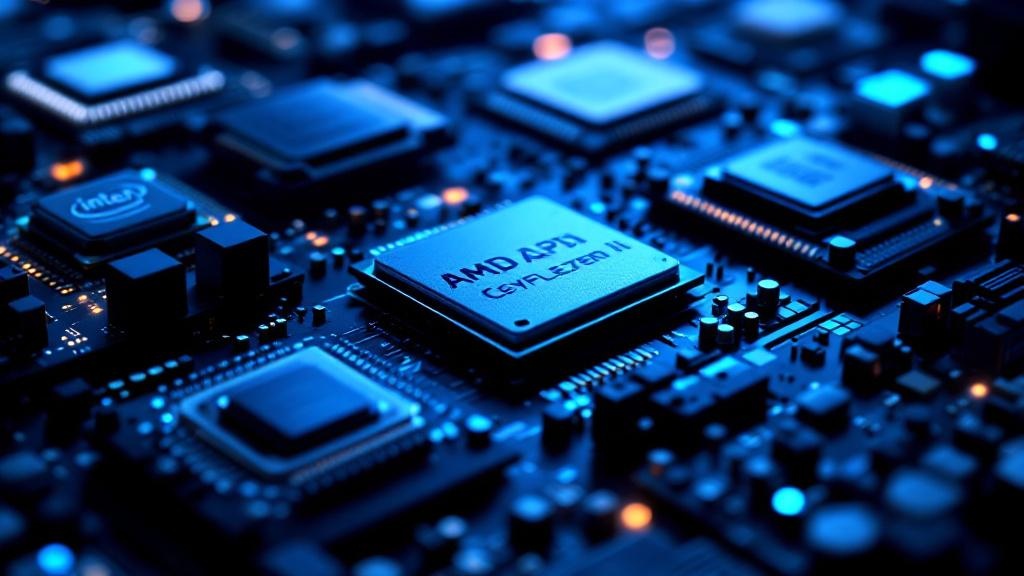
Everyone talks about GPUs when they discuss AI chips. But here’s the thing nobody mentions. GPUs alone cannot run modern AI systems. They need help. A lot of it. The quiet truth is that CPUs do most of the heavy lifting in real AI work. This matters more than any flashy GPU announcement.
Why AI Chips Depend on More Than Graphics Cards
The tech world has a GPU obsession. News stories focus on graphics cards and their power. But this view misses the full picture. Real AI systems need balanced computing power. Think of it like a car. The engine gets attention. But the wheels, brakes, and steering matter too.
The Hidden Work of Central Processors
GPUs train AI models. That part is true. However, running those models is a different story. CPUs handle inference tasks every day. Inference is when AI models make actual decisions. This happens billions of times daily. Your phone’s voice assistant uses inference. So does every search result you see.
CPUs also manage data flow in servers. They coordinate between different parts of systems. Without them, GPUs would sit idle. They would wait for data that never arrives. This is why major tech companies invest heavily in CPU partnerships.
Data Centers Run on Balance
Modern data centers face a math problem. They cannot just add more GPUs forever. Power costs explode. Heat becomes unmanageable. The solution is smarter design. This means matching CPU power to GPU power carefully. For example, specialized chips called IPUs help here. They handle specific tasks very well. As a result, the whole system runs smoother.
The KREAblog team has covered AI hardware trends extensively. One pattern stands out. Companies that balance their systems win long-term.
The Global Shortage Nobody Saw Coming
GPU shortages made headlines for years. Now CPU shortages are hitting too. This creates serious problems for AI growth. Companies cannot build what they planned. Projects slow down. Costs rise sharply.
Why Demand Outpaces Supply
AI chips of all types face supply issues. Manufacturing takes years to scale up. New chip factories cost billions of dollars. They take five years or more to build. Meanwhile, AI demand grows every month. The gap keeps widening. This is simple economics with complex consequences.

Furthermore, older chip designs still dominate many systems. Upgrading them takes time and money. Many companies run ten-year-old processors. These cannot handle modern AI workloads. So the pressure on new chip supplies increases.
New Players Enter the Race
Traditional chip makers face new competition. Companies that once only designed chips now manufacture them. This shift changes the industry’s power structure. For instance, some firms that licensed designs now build their own chips. They want more control over supply chains. The KREAblog has tracked this trend for months. It’s reshaping how AI hardware reaches the market.
Custom AI Chips Change Everything
Off-the-shelf chips work for most tasks. But big tech companies want more. They design custom processors for their specific needs. This gives them major advantages. Speed improves. Power usage drops. Costs fall over time.
The Rise of Purpose-Built Hardware
General-purpose chips do many things okay. Purpose-built chips do one thing great. This is why custom AI chips matter so much. A chip designed for one task beats a flexible chip. It uses less energy. It runs faster. It costs less per operation.
Co-development partnerships make this possible. Chip makers work directly with cloud providers. They design hardware together. The result fits exact needs. This model grows more popular each year. We expect it to dominate by 2027.
ASIC Designs Lead the Way
ASIC stands for Application-Specific Integrated Circuit. These chips do one job only. But they do it incredibly well. Many companies now invest in ASIC development. The upfront cost is high. Yet the long-term savings are huge.
This trend affects everyone in tech. Even small companies benefit eventually. Custom designs from big players push all chip technology forward. Lessons learned filter down to standard products.
What This Means for AI’s Future
The AI chips story is not about one type of processor. It’s about ecosystems. GPUs, CPUs, and custom chips must work together. The companies that understand this will lead. Those focused only on GPUs will fall behind.
The next few years will test this theory. Supply shortages will ease eventually. But the need for balanced systems will remain. In contrast, hype about single chip types will fade. Real performance needs real diversity in hardware. Check out more KREAblog articles on AI infrastructure trends.
The CPU renaissance is here. It just doesn’t make flashy headlines. But it matters more than most people realize. Smart observers watch the whole picture. They don’t get distracted by GPU announcements alone. The future of AI depends on boring, reliable processors too.
This article is for informational purposes only.