
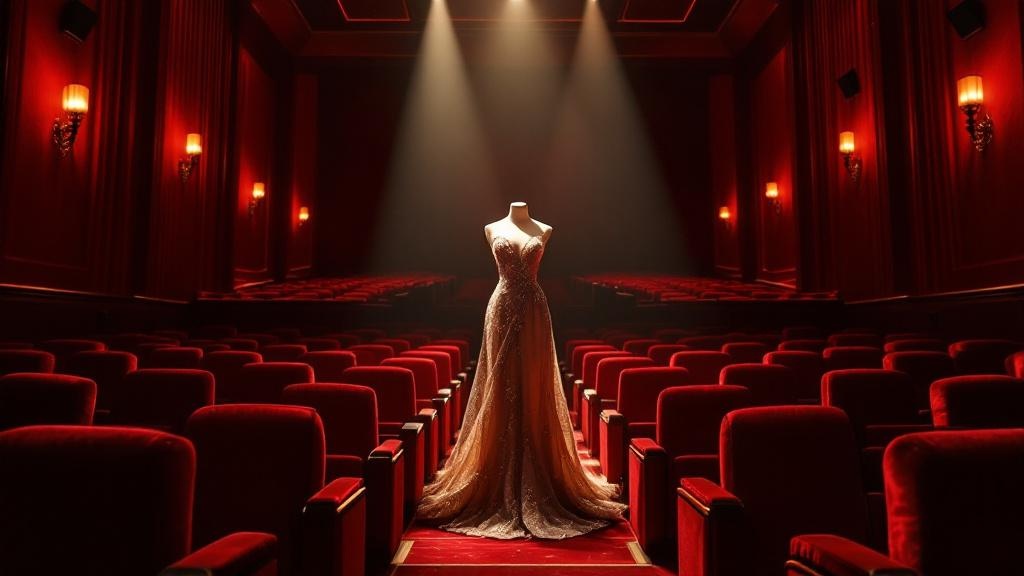
Fashion films have become cultural touchstones for brands seeking lasting impact. But here’s the thing most marketers miss entirely. The real magic isn’t product placement. It’s emotional memory.
Why Fashion Films Create Lasting Brand Memories
Movies tap into something ads simply can’t reach. They build worlds. They create characters we love or hate. And clothes become part of that story.
Think about it differently. A 30-second commercial disappears from memory fast. But a costume worn in a pivotal scene? That sticks forever. Audiences connect garments to feelings. Joy, heartbreak, revenge—fabric carries these emotions.
This isn’t new territory, actually. Hollywood and fashion have danced together for decades. However, the relationship has grown much deeper recently. Studios now actively court brands for storytelling partnerships.
The Psychology Behind Costume Memory
Our brains process film wardrobe differently than traditional ads. We don’t see it as marketing. Instead, costumes feel like character development. This bypasses our normal ad resistance completely.
Research shows we remember outfits tied to narrative moments. A power suit in a confrontation scene becomes iconic. Meanwhile, the same suit in a billboard gets ignored. Context changes everything about perception.
Furthermore, film fashion creates aspirational connections. Viewers imagine themselves in those clothes. They picture having that confidence, that moment. Brands benefit from this emotional transfer enormously.
From Product Placement to Story Integration
The old model was simple. Pay money. Get your product on screen. Hope someone notices. But that approach feels dated now.
Smart collaborations go deeper today. Costume designers work with brands on exclusive pieces. These items exist only within the film’s world. Audiences sense authenticity. They respond to genuine creative partnerships.
Still, there’s a fine line here. Forced integration feels awkward and breaks immersion. The best fashion film moments feel inevitable, not inserted.
The Sequel Economy and Fashion Films Today
Sequels offer something original films can’t. They come with built-in audiences. Fans already love the characters. They know the style codes.
This creates unique opportunities for brand partnerships. A continuation means familiar aesthetic territory. Yet it also demands evolution. Characters must feel fresh while staying recognizable.
Interestingly, sequels often attract bigger brand attention. Lower risk. Proven audience. Guaranteed cultural conversation. These factors make fashion partnerships more valuable.
Nostalgia as a Brand Strategy
There’s something powerful about returning to beloved stories. Nostalgia opens wallets faster than almost anything else. Brands understand this well now.
When a sequel appears, original fans want to relive experiences. They seek merchandise, recreations, tributes. Fashion brands can tap this desire directly. A KREAblog analysis found nostalgia-driven purchases increased significantly around sequels.
However, pure nostalgia isn’t enough. Younger audiences need fresh entry points. Successful fashion film partnerships balance old and new perfectly. They honor the original while pushing forward.
What This Means for Modern Advertising
Traditional advertising faces serious challenges today. People skip ads constantly. They install blockers everywhere. Attention spans keep shrinking.
Film partnerships offer an escape from this problem. You can’t skip a costume. You can’t block wardrobe choices. Entertainment becomes the delivery vehicle.
So the question becomes clear. Should more brands invest in entertainment integration? The answer isn’t straightforward, honestly.
The Hidden Costs and Risks
Film partnerships sound glamorous. Reality is more complicated though. Movies can flop spectacularly. Association with failure hurts brands.
Also, production timelines stretch years. Fashion moves faster than film development. A style that’s fresh during signing might feel dated at release.
Even so, the potential rewards justify careful exploration. One successful fashion film moment can define a brand for generations. That’s worth the risk for many companies.
Beyond the Big Screen
Fashion films don’t stop at theaters anymore. Social media extends every costume moment indefinitely. Fans screenshot, share, and recreate looks endlessly.
This afterlife matters tremendously. A single outfit can generate millions of impressions post-release. User content multiplies official marketing many times over.
Therefore, brands now think about social potential during partnerships. Will fans want to copy this look? Can they actually recreate it? Accessibility affects viral spread significantly.
The Future of Fashion and Film Collaboration
Where does this relationship go next? Several trends seem clear already. Virtual fashion will play larger roles. Digital-only pieces for digital-first audiences.
Streaming also changes the equation fundamentally. Films stay available forever now. Fashion moments don’t fade into obscurity. They remain discoverable indefinitely.
As a result, brands must think longer-term than ever before. Quick trend-chasing won’t work. Timeless style choices become more valuable.
What’s truly exciting is the creative freedom emerging. Directors want unique fashion collaborations. Brands want authentic storytelling platforms. When interests align, magic happens.
The best fashion films ahead won’t feel like advertising at all. They’ll feel like art. And that’s exactly the point.
This article is for informational purposes only.