

AI infrastructure spending has quietly become the biggest story in tech. Yet most people don’t really understand what’s happening. Billions flow into data centers every month. The numbers are almost too large to grasp. And that’s exactly the point.
Tech companies want you focused on shiny new features. They’d rather you not think about the massive bets behind the scenes. But here’s the thing. These investments will shape our digital world for decades. So let’s pull back the curtain.
The True Scale of AI Infrastructure Investment
We’re witnessing something unprecedented in business history. Companies are spending more on AI than entire countries spend on defense. That’s not an exaggeration. It’s simply the math.
Think about what this actually means. Millions of servers humming in massive buildings. Cooling systems fighting physics itself. Power grids straining under constant demand. The physical reality is almost absurd.
For context, consider this. The KREAblog team has tracked tech spending for years. We’ve never seen anything quite like this moment. Every major player is racing to build more capacity. They’re all terrified of falling behind.
Why Speed Matters More Than Savings
Here’s what most analysis gets wrong. These companies aren’t being wasteful. They’re being strategic in a winner-take-all race. The first to scale wins everything.
Demand for AI services is exploding faster than supply can grow. That creates urgency. Companies can’t wait for cheaper options. They need capacity now. So they pay whatever it takes.
This creates interesting dynamics. Traditional financial logic doesn’t apply here. Return on investment calculations become meaningless. The real calculation is survival.

What AI Infrastructure Actually Looks Like
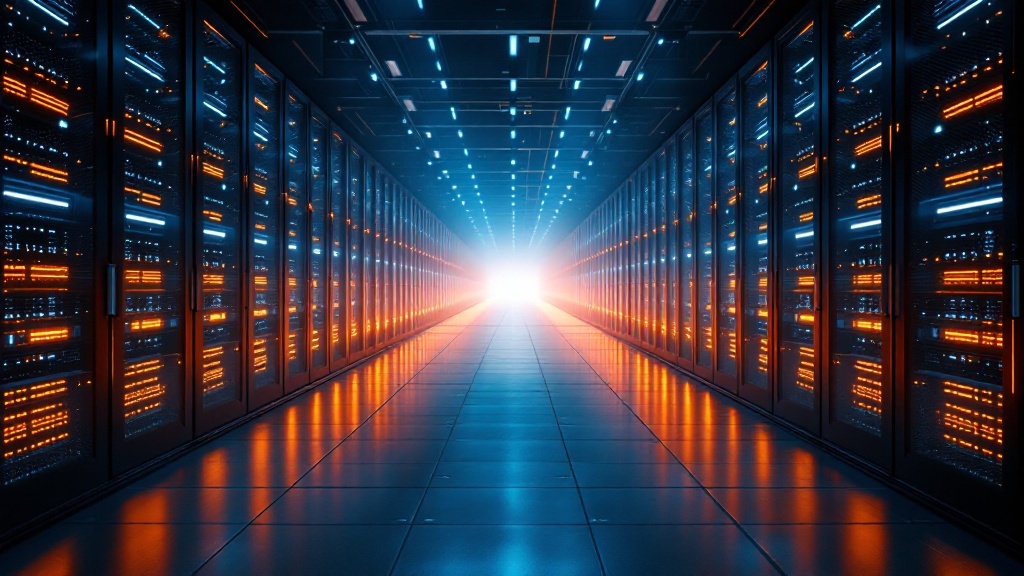
Picture a warehouse the size of several football fields. Now fill it with specialized computers. Add cooling systems that could air-condition a small city. That’s one data center. Companies are building dozens of them.
The chips inside these facilities are remarkable. Each one costs more than a luxury car. They’re also incredibly delicate. Temperature changes of a few degrees can cause failures. So the engineering must be perfect.
The Power Problem Nobody Discusses
Here’s the uncomfortable truth. AI is incredibly energy-hungry. A single data center can consume more electricity than a small town. And we’re building these facilities everywhere.
Some regions are already feeling the strain. Power grids weren’t designed for this demand. So companies are getting creative. They’re buying nuclear plants. They’re building solar farms. They’re doing whatever works.
The environmental math is complicated. AI could help solve climate change. But building AI infrastructure creates significant emissions. Nobody has fully resolved this tension yet.
The Real Winners and Losers Emerging
Not everyone benefits equally from this spending boom. Some companies and regions are winning big. Others are watching opportunities slip away. The patterns are fascinating to observe.
Chip makers are obviously thriving. So are construction firms specializing in data centers. Energy companies in favorable locations are seeing windfall profits. Real estate near power sources has become incredibly valuable.
However, smaller tech companies face a different reality. They can’t afford their own infrastructure. So they must rent from the giants. That creates dependency. And dependency creates vulnerability.
Geographic Winners May Surprise You
Where do you build a massive data center? The answer isn’t obvious. You need cheap land, reliable power, and cool climate. Political stability matters too. So does distance from natural disasters.
This explains some surprising locations. Nordic countries are seeing major investments. Parts of the American Midwest are booming. Even remote areas of Asia are getting attention.
Meanwhile, traditional tech hubs face challenges. Silicon Valley has expensive land and power. New York’s real estate costs are impossible. So the AI map looks different than you’d expect.
What This Means for Everyone Else
You might wonder why this matters to you. Fair question. Here’s the answer. These investments will determine what AI can do. They’ll shape prices for AI services. They’ll influence which applications become possible.
If infrastructure scales well, AI gets cheaper for everyone. That means better tools for small businesses. It means more accessible creative software. It means AI features in everyday products.
But if scaling hits limits, something different happens. AI becomes a luxury only giants can afford. Innovation concentrates in fewer hands. The technology gap between haves and have-nots widens.
There’s also a timing question. When will all this capacity actually become available? Data centers take years to build. Chips have long lead times. So today’s investments won’t help for a while.
This creates an awkward period. Demand is high right now. Supply won’t catch up for years. That means rationing. It means high prices. It means waiting lists for the best AI services.
The really interesting question is what happens after. What if companies overbuilt? What if demand doesn’t meet projections? History shows that infrastructure booms often end badly. But maybe this time is different. Maybe.
For now, we’re watching the largest infrastructure project in human history. It’s happening quietly in industrial zones worldwide. Most people won’t notice until it’s complete. But the effects will touch everyone eventually.
This article is for informational purposes only.