
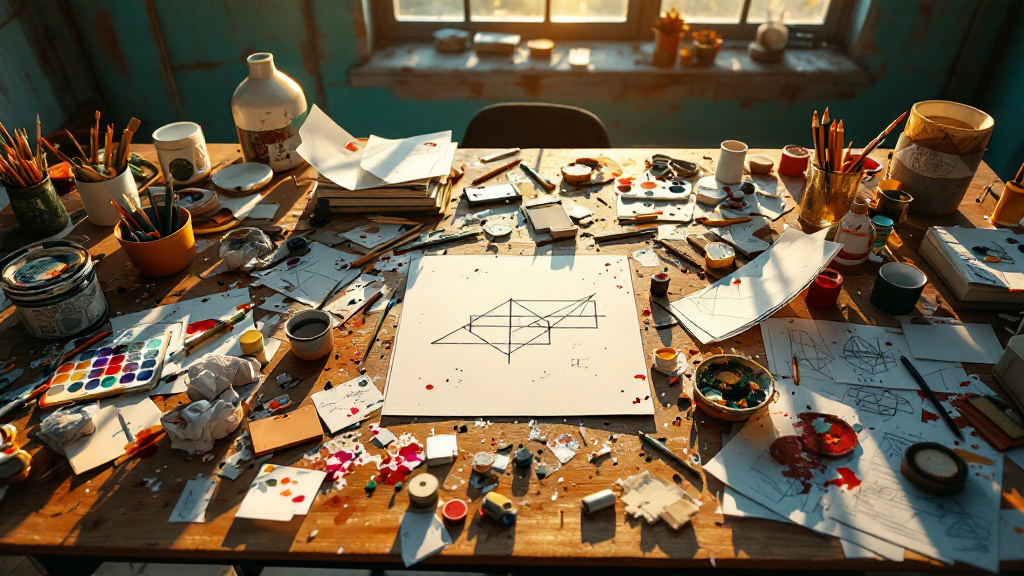
Chaos in design feels uncomfortable. It’s messy. It breaks rules. But here’s the thing—order alone rarely sparks magic. The most memorable creative work often emerges from disorder. So why do we keep fighting it?
Designers love grids. We adore systems and brand guidelines. These tools bring structure to our work. Yet they can also trap us. When everything aligns perfectly, nothing stands out. That’s the paradox we need to address.
The Case for Chaos in Creative Processes
Perfect order creates forgettable design. Think about it for a moment. The buildings, posters, and websites you remember probably broke some rules. They surprised you. They felt alive, even a bit unruly.
Why Your Brain Craves Disruption
Our minds filter out predictable patterns. It’s a survival thing. When something breaks the pattern, we notice. This is why chaotic elements grab attention. A tilted image, unexpected color, or asymmetric layout wakes us up. For example, KREAblog has explored how disruption drives engagement. Your brain literally pays more attention to controlled chaos.
The Myth of the Perfect Grid
Grids are useful. They’re not sacred. The Swiss design movement gave us beautiful systems. But even those masters knew when to break them. A grid should serve your idea, not imprison it. Too many designers worship structure over substance. They forget that grids exist to organize chaos—not eliminate it.
Chaos in Practice: Making Disorder Work for You
Embracing chaos doesn’t mean abandoning all structure. That’s just a mess. The skill lies in controlled disorder. You need enough rules to create tension when you break them.

Start with Constraints, Then Break Them
Here’s a counterintuitive approach. Set strict rules first. Design within tight limits. Then identify the one rule you’ll violate. This creates purposeful disruption. Random chaos feels accidental. Intentional chaos feels bold. The difference matters enormously to how viewers perceive your work.
Learn from Nature’s Organized Mess
Nature doesn’t use grids. Yet forests, coastlines, and clouds feel harmonious. They follow hidden patterns called fractals. These patterns repeat at different scales. Designers can mimic this approach. Create elements that rhyme without matching perfectly. Let shapes echo each other loosely. The result feels organic and alive.
When Order Actually Wins
I’m not saying chaos always beats order. That would be foolish. Some projects need clean systems. Medical forms should be clear. Emergency signs must communicate instantly. Context determines everything here.
However, even functional design benefits from small surprises. A healthcare app can include one playful animation. A corporate report might feature one unexpected color. These moments humanize otherwise cold work. They remind users that humans made this thing.
Finding Your Chaos Comfort Zone
Every designer has a different tolerance for disorder. Some thrive in complete mess. Others need more structure. Neither approach is wrong. The goal is expanding your range slightly.
Try this experiment. Take your most polished recent project. Now identify three rules you followed automatically. Question each one. What happens if you break it? Sometimes nothing improves. But occasionally, magic appears.
The best creative work lives in tension. It balances control with spontaneity. It follows rules while questioning them. This balance isn’t easy to achieve. It takes practice and courage.
Most clients want safe work. They fear disorder because it feels risky. Your job is showing them the reward. Help them see that controlled chaos creates memorable results. Show them examples that worked.
Design culture often celebrates perfectionism. We share polished portfolios and flawless mockups. But behind every great project lies messy exploration. We just hide that part. Maybe we shouldn’t.
The next generation of designers needs permission to experiment. They need to see that chaos isn’t failure. It’s method. It’s how we discover things grids would never reveal.
So the next time your design feels too neat, ask yourself something. Is this memorable? Or just correct? There’s a big difference. Correct work satisfies requirements. Memorable work changes how people see things. Which one do you want to make?
Chaos isn’t the enemy of good design. Fear is. Fear of judgment, failure, and breaking rules keeps us small. But design should make people feel something. Perfect order rarely does that. A little chaos just might.
This article is for informational purposes only.