

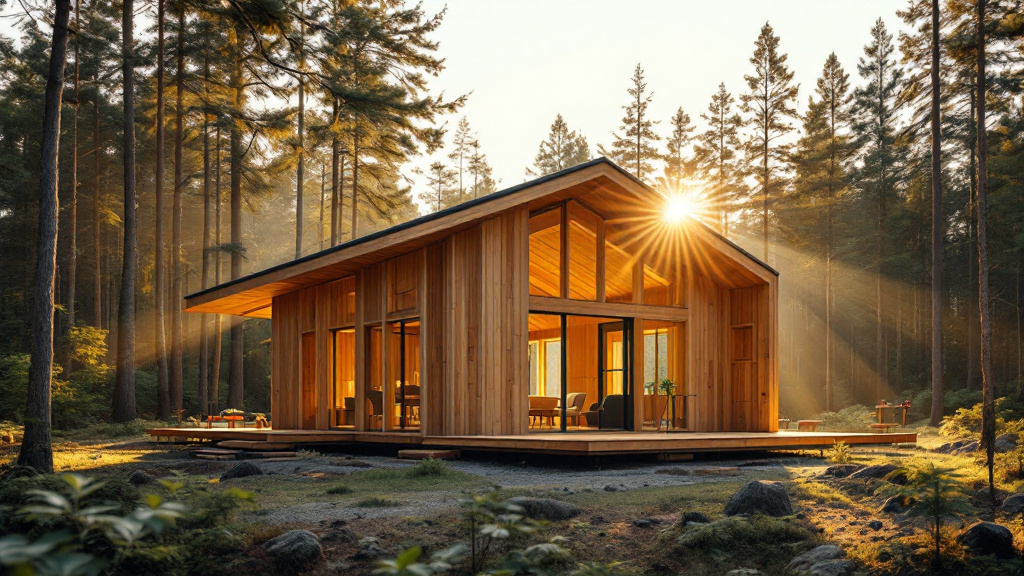
Portable architecture is quietly changing how we think about living spaces. Most people assume homes should stay in one place forever. But what if your house could follow you? This idea sounds wild. Yet it’s gaining serious traction among designers worldwide.
Why Portable Architecture Challenges Our Housing Beliefs
We’ve been taught that real estate equals permanence. Buy land. Build a foundation. Stay put for decades. But this thinking has deep flaws. It assumes our lives will remain static. It ignores job changes, climate shifts, and family growth.
Here’s a contrarian thought: permanent homes might be the problem. They lock us into locations that no longer serve us. They tie our wealth to specific geography. When neighborhoods decline or climates shift, we’re stuck.
Meanwhile, the average person moves eleven times in their lifetime. Each move means abandoning carefully built spaces. We leave behind kitchens we loved, gardens we nurtured. Then we start completely over. That’s exhausting and wasteful.
The Japanese Philosophy of Impermanence
Japan has long embraced impermanence in design. Traditional buildings were often built for disassembly. Wood joints connected without nails. Entire structures could be taken apart and rebuilt elsewhere.
This wasn’t primitive technology. It was sophisticated engineering. Modern designers are now rediscovering these ancient methods. They’re combining them with contemporary materials and techniques.
The result? Buildings that honor both past and future. Structures that adapt to changing needs. Homes that respect the reality of human movement.
How Movable Homes Actually Work Today
Modern portable buildings aren’t glorified trailers. They’re fully designed architectural works. However, they use modular systems that allow careful disassembly. Think of them as three-dimensional puzzles.
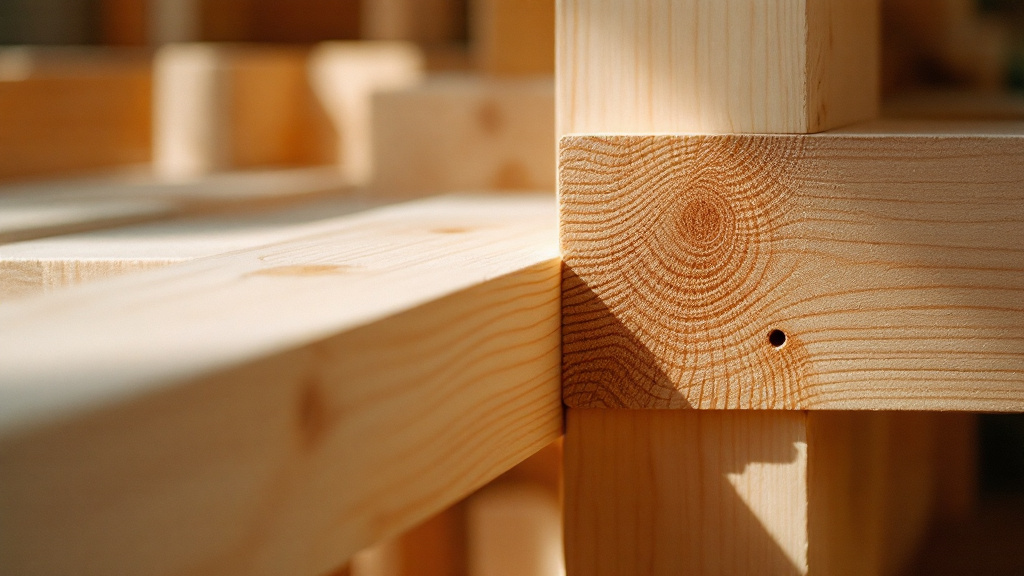
Each component connects through reversible joints. Walls become flat panels for transport. Roofs fold into compact sections. Even foundations can be designed for temporary placement.
The engineering requires serious thought upfront. Designers must plan every connection point. They consider how pieces will separate years later. This forward-thinking creates surprising benefits.
Materials That Make Movement Possible
Cross-laminated timber leads the revolution. It’s strong yet lightweight. It can be cut precisely and assembled without specialized equipment. Also, it stores carbon rather than producing it.
Steel frame systems offer another approach. They provide incredible strength in slim profiles. Connections use bolts rather than welds. Disassembly becomes straightforward with basic tools.
Even concrete is getting reimagined. Dry-stacked block systems need no mortar. They can be unstacked and reused indefinitely. So nothing goes to landfills.
The Economics Might Surprise You
Conventional wisdom says portable costs more. Initial construction does require extra planning. But consider the full lifecycle. Your investment follows you forever.
Traditional homes depreciate or become trapped in declining markets. Movable homes escape these traps. You take your equity when you leave. As a result, your wealth stays mobile too.
For more insights on innovative design thinking, check out KREAblog. Creative approaches to traditional problems often yield surprising results.
The Future of Portable Architecture and Housing
Climate change makes this conversation urgent. Coastal areas face flooding. Fire zones expand yearly. Entire regions become less livable.
What happens to families in threatened areas? Currently, they face terrible choices. Abandon their homes and lose everything. Or stay and risk disaster. Portable buildings offer a third option.
Insurance companies are starting to notice. Movable assets in danger zones cost less to insure. Because they can simply leave before disaster strikes. That’s a powerful advantage.
Zoning Laws Are the Real Challenge
Most building codes assume permanence. They weren’t written for structures that relocate. So legal barriers currently block many projects.
But regulations always lag innovation. Early cars faced laws designed for horses. Early airplanes had almost no rules. Eventually, systems adapt.
Forward-thinking municipalities are already experimenting. They’re creating pilot programs for mobile housing. These early adopters will write the rulebook for others.
Who Benefits Most From This Shift
Young professionals gain obvious advantages. Their careers demand geographic flexibility. A home that moves eliminates the rent-versus-buy dilemma.
Retirees benefit too. Downsizing doesn’t mean losing beloved spaces. Just take your favorite rooms along. Then rebuild them somewhere warmer or closer to family.
Even traditional families find appeal here. Growing children need more space. Portable additions can expand your home temporarily. When kids leave, downsize again without moving.
The question isn’t whether portable architecture will grow. It’s how fast we’ll embrace it. Because the old model of permanent, immovable housing increasingly fails us. Our lives demand flexibility. Our homes should offer it too.
This article is for informational purposes only.