

The Smallest Gadgets That Rewrote the Rules of Innovation
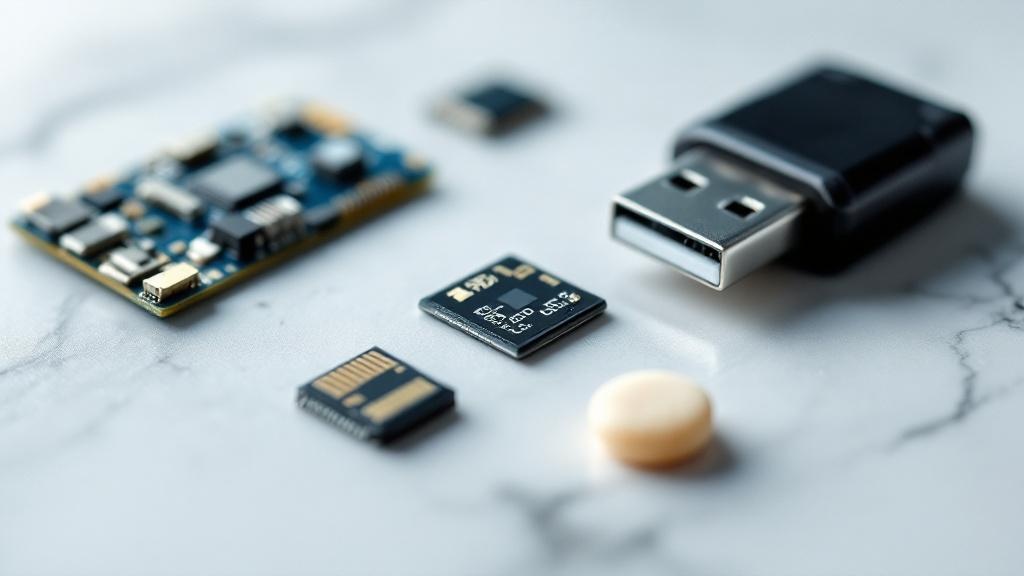
Big things really do come in small packages. Throughout tech history, the smallest gadgets have often caused the biggest disruptions. Engineers love a challenge. And nothing pushes creativity harder than shrinking powerful technology into impossibly tiny forms. From chips the size of a grain of sand to computers that fit in your palm, miniaturization has shaped our modern world. This list celebrates ten astonishing devices that proved size doesn’t matter. Each one broke records, bent expectations, and opened doors to entirely new industries. So let’s count down the tiniest tech marvels ever made. For more stories on creative technology, visit KREAblog.
11. The IBM Simon — The Smallest Smartphone Before Smartphones Existed
In 1994, IBM released the Simon Personal Communicator. It weighed just over a pound. That sounds heavy now. But back then, it was the smallest device combining a phone, fax, and email. It even had a touchscreen — a full thirteen years before the iPhone arrived. However, most people didn’t notice it at the time. Only about 50,000 units ever sold. The Simon proved a pocket-sized computer was possible. It just arrived too early for anyone to care.
10. The Sansa Clip — A Music Player Smaller Than a Matchbox
SanDisk released the Sansa Clip in 2007. It was barely larger than a postage stamp. Yet it held thousands of songs and had a tiny OLED screen. Many audiophiles actually preferred its sound quality over the iPod Shuffle. Furthermore, it supported open audio formats that other players refused to touch. It sold for around thirty dollars. For budget-conscious music lovers, it was a dream device. The Sansa Clip showed that the smallest gadgets could outperform famous rivals.
9. The Game Boy Micro — Pocket Gaming Taken to the Extreme
Nintendo launched the Game Boy Micro in 2005. It was shockingly small. The entire console measured just four inches wide. That made it the smallest Game Boy ever produced. It had a beautiful backlit screen. But here’s the twist — it flopped commercially. Consumers thought it was too small to enjoy. Meanwhile, collectors now pay hundreds of dollars for one. The Micro became a cult classic because of its extreme size.
8. The Michigan Micro Mote — A Computer Smaller Than a Grain of Rice
Researchers at the University of Michigan built this in 2015. It measured just two millimeters across. That’s smaller than a grain of rice. Yet it contained a processor, memory, and a wireless transmitter. It could measure temperature and pressure. As a result, it opened new doors in medical monitoring. Doctors imagined placing it inside the human body. The Micro Mote proved computers could shrink almost without limit. It held the world’s smallest computer title for years.
7. The iPod Nano 6th Generation — A Watch-Sized Music Revolution
Apple released this tiny square in 2010. It was barely 1.5 inches across. People immediately started strapping it to their wrists like a watch. In fact, an entire industry of wristbands appeared overnight for it. Many historians consider this the accidental birth of the modern smartwatch idea. Apple noticed the trend. A few years later, the Apple Watch arrived. So this tiny music player accidentally inspired an entire product category. That’s a huge legacy for such a small device.
6. The Raspberry Pi Zero — A Five-Dollar Computer
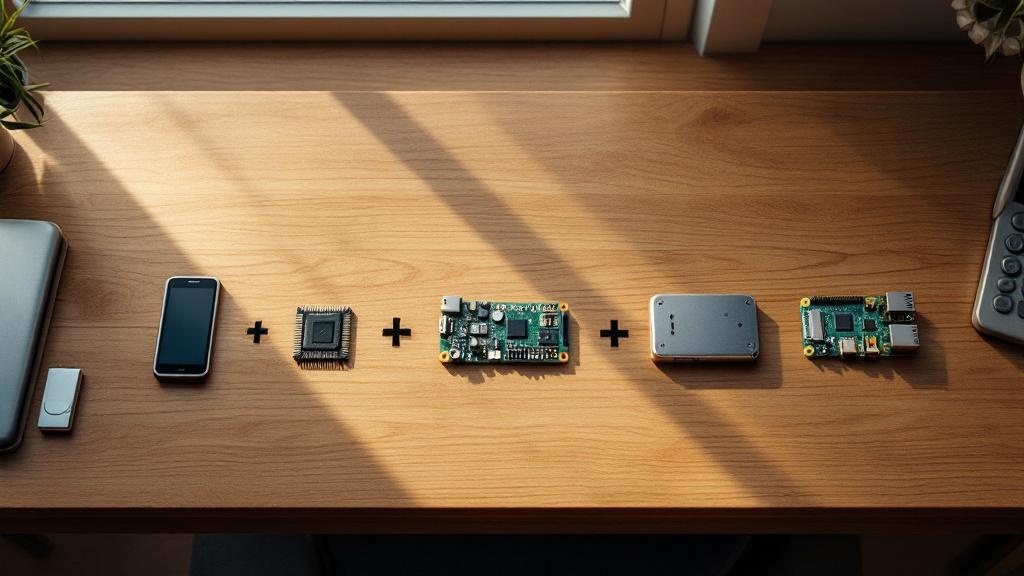
The Raspberry Pi Foundation released the Pi Zero in 2015. It cost just five dollars. The board was the size of a stick of gum. Yet it ran a full Linux operating system. Makers around the world went wild. They built robots, smart mirrors, and weather stations with it. Furthermore, schools used it to teach coding to millions of children. The Pi Zero proved that powerful computing didn’t need to be expensive or big. It became one of the smallest gadgets with the biggest community impact.
5. The VIA Nano Processor — A Chip That Shrunk the Server Room
VIA Technologies released the Nano processor in 2008. It was designed for ultra-small devices. The chip measured just 21mm square. But it could handle HD video playback and encryption. Most people never heard of it. However, it powered thousands of tiny embedded systems worldwide. It appeared in kiosks, thin clients, and small servers. The Nano chip showed that processing power could fit almost anywhere. It quietly helped build the Internet of Things before the term even existed.
4. The Motorola StarTAC — The Phone That Fit in Your Palm
Motorola launched the StarTAC in 1996. It was the first true clamshell phone. It weighed just 88 grams. That was mind-blowing for the mid-1990s. For context, most phones then weighed over 300 grams. The StarTAC also popularized the flip-phone design. Millions of people bought one. It appeared in movies and TV shows everywhere. As a result, it became a cultural icon. The StarTAC proved that people desperately wanted smaller phones. Every slim phone since owes it a debt.
3. The USB Flash Drive — Storage That Fit on a Keychain
The first USB flash drives appeared around 2000. Trek Technology and IBM both claim credit. Early models held just 8 megabytes. That seems tiny now. But they instantly replaced floppy disks. The convenience was staggering. You could carry files in your pocket. No cables, no discs, no hassle. Today, a thumb-sized drive can hold two terabytes. That’s enough for half a million photos. The USB drive remains one of the smallest gadgets with the most lasting everyday impact. Learn more about tech history at KREAblog’s technology section.
2. The Intel 4004 — The Chip That Started Everything
Intel released the 4004 microprocessor in 1971. It was the first commercial single-chip processor. The entire chip measured just 3mm by 4mm. Yet it contained 2,300 transistors. It was originally designed for a Japanese calculator. But engineers quickly realized its potential went far beyond math. This tiny chip launched the entire microprocessor revolution. Without it, personal computers might never have existed. Every smartphone, laptop, and smart device traces its family tree back to this chip. It might be the most important small object ever made.
1. The Transistor — The Smallest Invention That Built the Modern World
Bell Labs created the first transistor in 1947. It was small but not yet microscopic. However, its potential for miniaturization was limitless. By the 2020s, transistors shrank to just three nanometers wide. That’s roughly fifteen atoms across. A single modern chip contains billions of them. Without the transistor, there would be no computers. There would be no internet. There would be no AI. Everything in digital technology depends on this one tiny invention. The transistor isn’t just one of the smallest gadgets in spirit — it is the foundation of every gadget that followed.
Size really is deceiving. The tiniest devices on this list shaped entire industries. They created new habits, new markets, and new dreams. Miniaturization isn’t just an engineering challenge. It’s a creative philosophy. Making things smaller forces designers to think harder. It forces engineers to be more clever. And it gives all of us more powerful tools in smaller packages. The race to shrink technology isn’t slowing down. In fact, it’s speeding up. We can’t wait to see what impossibly small marvel comes next. Stay curious with KREAblog.
This article is for informational purposes only.