

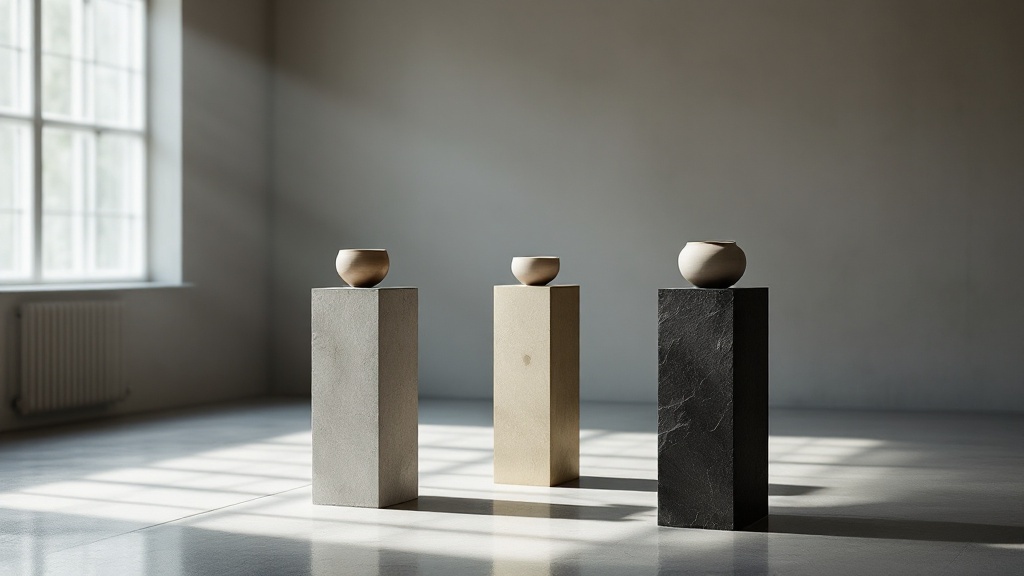
Sculptural pedestals have quietly shaped how we see objects for centuries. Yet most people never notice them. These silent partners in display carry a strange burden. They must hold attention while pretending they don’t exist. But what happens when designers flip this script? The results challenge everything we assume about presentation.
Why Sculptural Pedestals Deserve Your Attention
Walk into any museum or gallery today. You’ll see pedestals everywhere. Most fade into the background like furniture. That’s the point, right? Actually, no. This invisibility wastes enormous creative potential. The pedestal itself can speak volumes.
Think about it differently. A white box says “neutral.” But neutrality is a myth. Every choice communicates something. A rough concrete base tells a different story than polished marble. Height matters too. So does shape. Even so, designers often default to boring standards.
Here’s the contrarian take. The “invisible” pedestal actually draws more attention. It creates a visual gap between object and ground. This gap feels artificial and sterile. However, when the pedestal joins the conversation, something magical happens. The entire display becomes unified.
Material Choices That Shape Meaning
Materials carry emotional weight. Stone suggests permanence and tradition. Metal reads as modern and industrial. Wood feels warm and approachable. Glass creates floating illusions. Each choice shifts how viewers read the displayed object.
Contemporary designers experiment with unexpected combinations. Some use recycled materials with visible history. Others create bases from materials matching the displayed object. For example, a ceramic piece might rest on unfired clay. This creates visual poetry.
The Height Question Nobody Asks
Standard pedestal height exists for average adults. But who decided eye-level was optimal? Children see differently. Wheelchair users experience another perspective entirely. Furthermore, some objects reward viewing from below. Others reveal secrets from above.
Variable height pedestals challenge single-viewpoint thinking. They invite movement and exploration. The viewer becomes active rather than passive. This simple change transforms the entire gallery experience.
Historical Roots of Sculptural Pedestals
Ancient Greeks understood pedestal power instinctively. Their temple sculptures sat on elaborate bases. These weren’t afterthoughts. They were integral to the artwork. Roman emperors took this further. Triumphal columns became monuments themselves.
The Renaissance changed everything. Artists started signing their work. Pedestals became anonymous servants. This hierarchy persisted for centuries. Museums adopted the white cube aesthetic. Clean lines replaced ornament. Meanwhile, the pedestal shrank into invisibility.
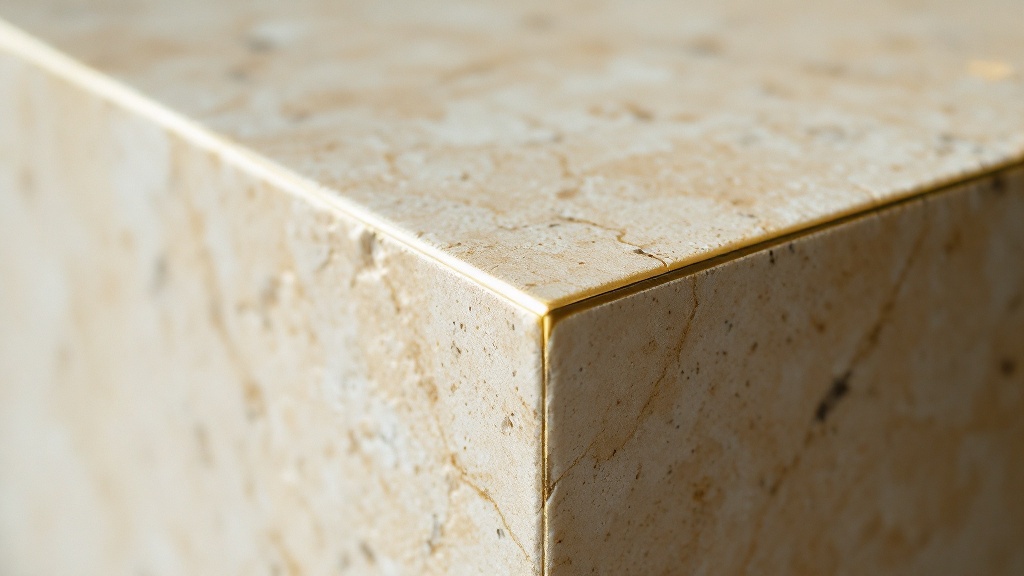
Modern art eventually questioned these assumptions. Brancusi famously said his bases were part of his sculptures. He was right. Yet galleries still separate them on inventory lists. The bias runs deep. Even radical artists struggle against institutional inertia.
Designing Sculptural Pedestals for Modern Spaces
Home design borrows heavily from gallery aesthetics now. People want their objects displayed thoughtfully. But residential spaces have different rules. Furniture must function. Kids bump into things. Pets jump everywhere. Still, artful display remains possible.
The key lies in intentionality. A stack of books creates an impromptu pedestal. So does a vintage stool or overturned crate. These casual solutions often outperform expensive alternatives. Why? Because they feel real. They tell stories.
Commercial spaces face different challenges. Retail pedestals must sell products. Museum pedestals must educate. Corporate lobbies need to impress. Each context demands different approaches. Yet the underlying principles remain consistent. KREAblog has explored similar intersections before.
When Less Isn’t Actually More
Minimalism dominates contemporary design discourse. But minimalism can become another rigid dogma. Sometimes more is more. An elaborate base might perfectly suit an elaborate object. Restraint isn’t always the answer.
Consider baroque churches with their gilded altars. Every surface screams for attention. The effect overwhelms deliberately. It creates awe through excess. Modern designers rarely attempt this. Perhaps they should more often.
The Future of Display Design
Technology introduces new possibilities constantly. Levitating platforms already exist. Holographic projections can replace physical bases entirely. Augmented reality layers information onto physical displays. These tools expand the designer’s vocabulary dramatically.
But technology isn’t everything. The handmade pedestal carries different meaning than its machine-made cousin. Craft marks reveal human presence. Imperfections create character. In an automated world, these qualities grow more valuable. Not less.
What comes next? Perhaps pedestals become interactive. Maybe they respond to viewers’ movements. They could tell stories through embedded screens. Or perhaps we’ll return to simpler approaches. Either way, the pedestal deserves more creative attention.
The objects we display matter. But how we display them matters equally. Sculptural pedestals bridge art and architecture. They connect object and environment. Designers who understand this create richer experiences. Everyone else just builds boxes.
This article is for informational purposes only.