
Design hubs are quietly changing how we train the next generation of creatives. These spaces aren’t just fancy studios. They’re rethinking what it means to learn design in 2024.
For decades, design education followed a predictable path. Students sat in classrooms. They learned theory. Then they graduated, often unprepared. But something interesting is happening now. Specialized creative centers are popping up worldwide. They’re blending hands-on work with real-world challenges.
Why Design Hubs Matter More Than Ever
Here’s a truth most design schools won’t admit. Traditional programs are struggling to keep pace. Technology moves faster than curriculum committees can meet. So what happens? Students learn tools that become outdated quickly.
Design hubs solve this differently. They’re built for flexibility. Equipment gets updated regularly. Courses shift based on industry needs. It’s education that actually breathes.
The Lab Model Changes Everything
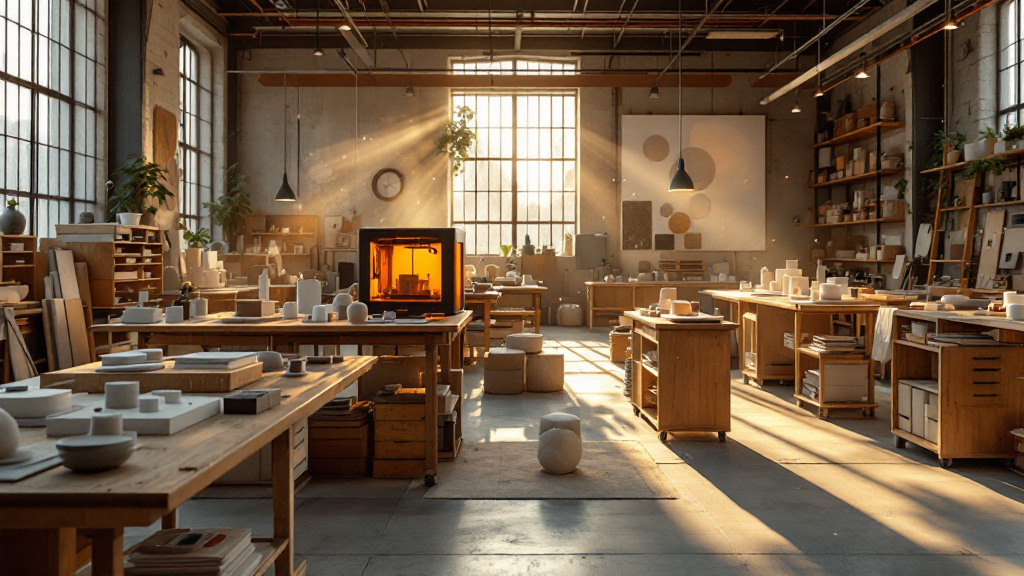
Forget the single-room studio approach. Modern creative centers use specialized labs instead. One space for digital fabrication. Another for materials testing. A third for prototyping. This separation matters. Students learn to think in systems. They understand how different disciplines connect.
The lab model also attracts working professionals. They need specific skills, not full degrees. Quick workshops become possible. Industry collaboration grows naturally from there.
Location Shapes Creative Culture
Where you place a creative center matters enormously. Urban centers offer networking. But they’re expensive and competitive. Regional hubs can nurture unique design languages. They draw on local materials and traditions. Sometimes the most interesting work happens far from design capitals.

Consider this: design cultures differ dramatically by region. What works in Milan won’t translate directly to Seoul. Local hubs can honor these differences. They become cultural incubators, not just training facilities.
What Makes Design Hubs Actually Work
Not every creative space succeeds. Many become expensive ghost towns. The difference often comes down to programming. A beautiful building means nothing without active community engagement.
Successful centers share certain traits. They host public events regularly. They partner with local industries. Most importantly, they stay open to unexpected uses. Rigid programming kills creative spaces faster than anything.
Equipment Is Only Half the Story
It’s tempting to focus on shiny machines. Laser cutters look impressive in photos. 3D printers attract attention. But equipment alone doesn’t make a design hub valuable. As noted by experts at KREAblog, the human element matters most.
Mentorship programs often deliver more value than machines. Access to experienced designers accelerates learning dramatically. So does peer feedback from fellow students. The best hubs invest in people, not just tools.
Bridging Academia and Industry
Here’s where things get interesting. Traditional schools keep industry at arm’s length. They worry about commercial influence. But that separation creates problems. Graduates enter workplaces unprepared.
Modern design hubs embrace industry partnerships differently. Companies sponsor specific projects. Students work on real briefs. The key is maintaining educational integrity. Students must learn to think, not just execute.
The Future of Creative Learning Spaces
What comes next for design education? The trends point toward hybridity. Physical and digital learning will blend further. Remote collaboration tools keep improving. Yet hands-on experience remains irreplaceable.
We’ll likely see more specialized facilities emerge. General-purpose studios will decline. Niche expertise will matter more. A hub focused on sustainable textiles. Another dedicated to interaction design. Specialization creates depth that broad programs can’t match.
Sustainability Becomes Non-Negotiable
Future creative centers must address environmental impact. Design education has traditionally been wasteful. Material samples pile up. Prototypes get discarded. Energy consumption runs high.
Progressive hubs are tackling this head-on. They’re implementing circular material systems. They’re teaching students to design with waste in mind. This isn’t just ethics. It’s practical preparation for industry demands.
Accessibility Remains the Challenge
Who gets access to these specialized spaces? That question haunts design education. Expensive facilities often serve privileged students. Geographic barriers exclude many talented people.
Some hubs are experimenting with solutions. Sliding-scale fees help somewhat. Online components extend reach. Mobile facilities bring equipment to underserved areas. Progress is slow but real.
The most exciting development? Open-access models emerging in various cities. Anyone can book time on professional equipment. Membership fees stay affordable. Design skills become democratized gradually.
Will traditional design schools adapt or fade? That’s the billion-dollar question. The smart ones are already partnering with specialized hubs. They’re outsourcing hands-on training. They’re focusing on theory and critique. Others are scrambling to build their own facilities.
One thing seems clear. The era of one-size-fits-all design education is ending. Specialized creative centers are showing a better way forward.
This article is for informational purposes only.