
Date pits in design might sound absurd at first. But this trend is gaining real momentum. Designers worldwide are looking at food waste differently now. What was trash yesterday is tomorrow’s building block.
The shift isn’t just about being green. It’s about rethinking what materials can do. And honestly? It’s about time we got creative with our garbage.
Date Pits and the Rise of Agricultural Waste Design
Agricultural waste has always existed. We just ignored it for centuries. Now, with landfills overflowing, designers are paying attention. They’re finding beauty in what farmers throw away.
The numbers are staggering. Millions of tons of date pits get discarded yearly. Most end up rotting or burned. But these hard little seeds have hidden potential. They’re dense. They’re durable. And they have a warm, natural color.
Why Food Scraps Are Perfect for Materials
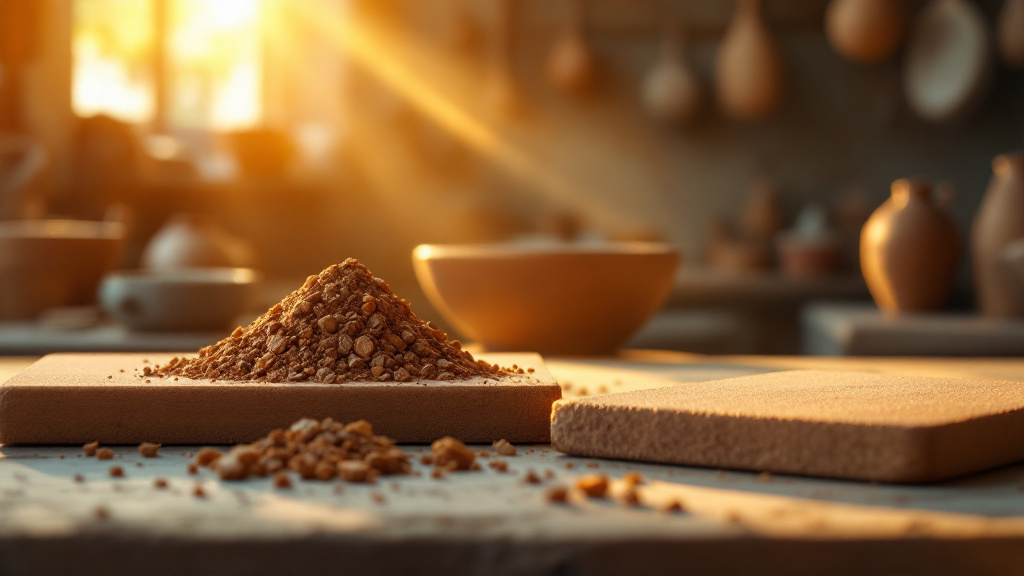
Food waste comes with built-in advantages. It’s renewable. Harvest seasons create predictable supplies. Also, many scraps have unique textures. Orange peels wrinkle beautifully when dried. Coffee grounds create earthy, rich surfaces. Date pits grind into fine, concrete-like particles.
Traditional materials need mining or heavy processing. Food scraps need only collection and basic treatment. The carbon footprint difference is massive. That’s why more studios are exploring these options.
From Kitchen to Studio
Getting food waste to designers isn’t simple. Supply chains don’t exist yet. Most food scraps go straight to compost. Or worse, they go to landfills. Building new collection systems takes time and money.
However, partnerships are forming. Restaurants connect with local makers. Food processors sell their byproducts now. Even coffee shops save their grounds. The infrastructure is slowly appearing.
The Real Promise of Date Pits in Furniture
Furniture design loves new materials. It always has. From bent plywood to recycled plastic, innovation drives the industry. So date-based materials fit right in. They offer something genuinely different.
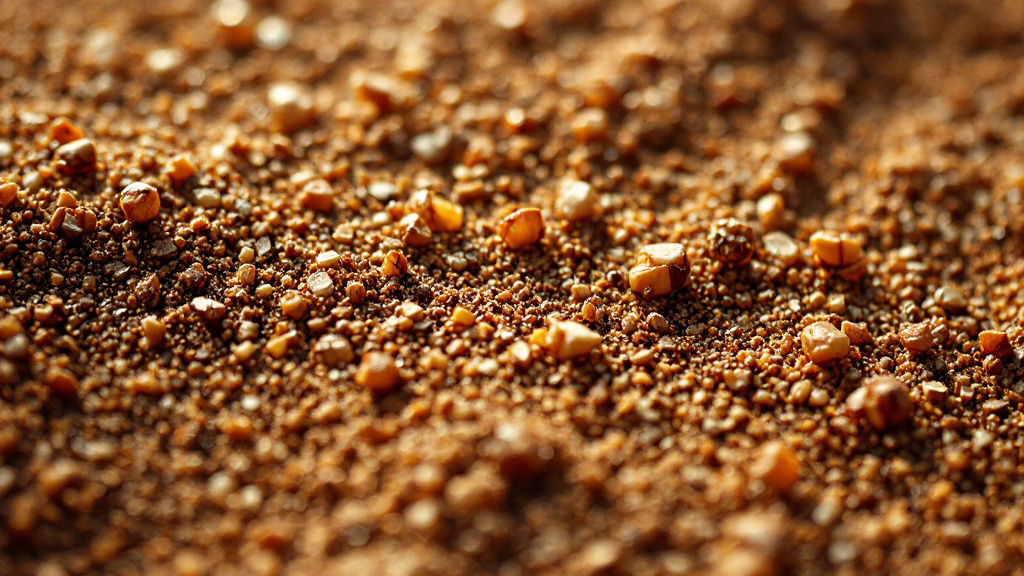
The aesthetic is unexpected. Ground date pits create warm, stone-like surfaces. They feel organic yet refined. Colors range from deep brown to golden amber. Each batch looks slightly different. That’s actually a selling point.
Strength and Durability Questions
Skeptics ask fair questions. Will it last? Can it handle daily use? Early tests show promising results. When properly processed, date-based composites rival traditional materials. They resist scratches reasonably well. Moisture needs consideration though.
The binding agents matter most. Some makers use plant-based resins. Others experiment with natural adhesives. Each combination creates different properties. Research continues at universities globally.
Cost Reality Check
Let’s be honest about economics. These materials aren’t cheap yet. Small batch production costs more than industrial alternatives. But prices will drop with scale. That’s how every new material works.
Early adopters pay premium prices. They value the story and sustainability. As production grows, costs decrease. Eventually, waste-based materials could compete directly. For now, they’re a luxury option.
Beyond Dates: A Broader Waste-to-Design Movement
Date pits represent something larger. They’re part of a growing movement. Designers everywhere are questioning material choices. Why use virgin resources when waste exists?
This thinking connects to KREAblog‘s ongoing coverage of sustainable design. The shift is philosophical as much as practical. It challenges our throwaway culture directly.
Other Surprising Material Sources
The creativity is inspiring. Mushroom mycelium grows into packaging foam. Seaweed becomes biodegradable plastic alternatives. Pineapple leaves create leather substitutes. Each innovation started with someone seeing waste differently.
Even industrial waste gets reimagined. Steel slag becomes architectural panels. Recycled glass creates terrazzo alternatives. The possibilities seem endless. All it takes is curiosity and experimentation.
What This Means for Future Designers
Young designers face interesting choices now. Material selection has ethical weight. Clients increasingly ask about sustainability. Schools teach circular design principles. The industry is shifting permanently.
But here’s my contrarian take. Sustainability alone won’t drive adoption. These materials must also look good. They must perform well. They must tell compelling stories. Beauty matters as much as ethics.
The most successful waste-derived materials succeed on multiple levels. They’re sustainable, yes. But they’re also genuinely desirable. Date-based composites have that potential. They’re unusual enough to spark curiosity. They’re beautiful enough to justify premium pricing.
Will date pits change design forever? Probably not alone. But they’re part of a pattern. Each new waste material chips away at old assumptions. Together, they’re building a different future. One where garbage becomes gold.
This article is for informational purposes only.