

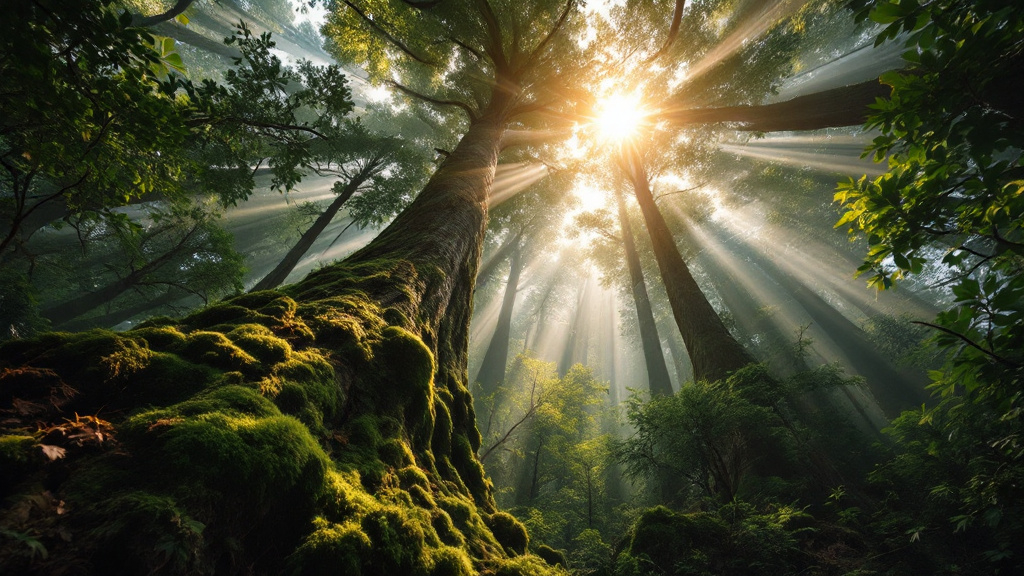
Nature design is the original masterclass hiding in plain sight. Every forest, coastline, and coral reef contains principles that took millions of years to perfect. Yet most designers scroll past these lessons daily. They’re chasing trends instead of studying timeless systems. That’s a missed opportunity. The natural world solved complex problems long before humans drew their first sketch.
Why Nature Design Beats Human Invention
Here’s a truth that might sting. Nature doesn’t care about your mood board. It builds for survival, efficiency, and beauty simultaneously. No compromises. No committee meetings. Just pure problem-solving refined over eons.
Efficiency Without Ego
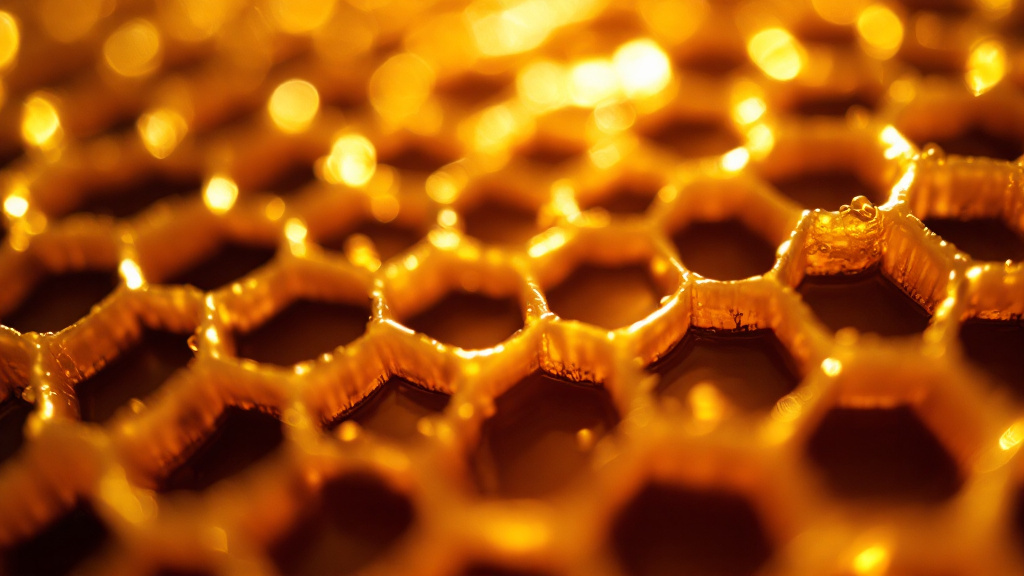
Trees don’t waste resources on decoration. Every branch angle maximizes sunlight capture. Every root system forms networks that share nutrients. This is design stripped of ego. Meanwhile, human designers often add flourishes that serve nothing but vanity. Nature shows us that restraint creates elegance. The simplest solution usually wins. Consider honeycomb structures. Bees build hexagons because they use the least wax. That’s not accident—it’s mathematics perfected through evolution.
Adaptation as Core Strategy
Deserts and rainforests demand different survival tactics. So nature adapts. Cacti store water. Vines climb toward light. This flexibility should inspire every creative project. However, many designers cling to rigid formulas. They force solutions instead of responding to context. The best work reads its environment first. Then it adapts accordingly.
Wonder as a Nature Design Principle
Wonder isn’t just an emotion. It’s a design strategy. Nature deploys it constantly. A sunset doesn’t just end the day—it creates spectacle. Peacock feathers don’t just exist—they demand attention. This theatrical quality serves real purposes.
Capturing Attention Through Contrast
Nature masters contrast like no human could. Consider lightning against dark clouds. Or a single red flower in green grass. These moments arrest our gaze instantly. For creatives, the lesson is clear. Contrast creates stopping power. But it must feel earned, not forced. At KREAblog, we explore how such principles shape modern creative work. Nature never shouts without reason.
Patterns That Comfort and Intrigue
Fractals appear everywhere in nature. Ferns, snowflakes, and coastlines repeat patterns at every scale. This creates visual harmony that humans find deeply satisfying. Yet these patterns contain enough variation to stay interesting. That balance matters. Too much repetition bores us. Too much chaos overwhelms us. Nature walks this line perfectly.
Practical Lessons from Wild Systems
Theory means nothing without application. So let’s get practical. How do natural principles translate into actual creative work?
Build Redundancy Into Everything
Ecosystems survive because they have backups. If one species disappears, others fill the gap. Smart design works the same way. Create systems that flex under pressure. Plan for failure. Build alternatives into your process. This isn’t pessimism—it’s wisdom borrowed from nature.
Let Time Shape Your Work
Rivers carve canyons slowly. Mountains form over millennia. Nature isn’t in a rush. Yet modern creatives demand instant results. They skip iteration. They ship before testing. Nature reminds us that great work takes time. Patience isn’t weakness. It’s a competitive advantage few have courage to claim.
The Contrarian Take on Biomimicry
Now for an unpopular opinion. Copying nature literally often fails. Slapping leaf shapes onto products isn’t innovation. It’s decoration pretending to be depth. True nature-inspired design goes deeper. It borrows systems, not surfaces. It studies relationships, not just forms.
Consider this question. Why do most “nature-inspired” buildings still waste energy? Because designers copied aesthetics, not principles. They wanted the look without the work. Real biomimicry requires understanding ecosystems fully. That takes study, humility, and patience. Most projects don’t allow for that investment.
Still, the opportunity remains massive. Those who study natural systems deeply will outpace trend-chasers every time. Evolution has done the research already. We just need the wisdom to learn from it. The forest has been waiting to teach us. Perhaps it’s time we finally listened.
This article is for informational purposes only.