

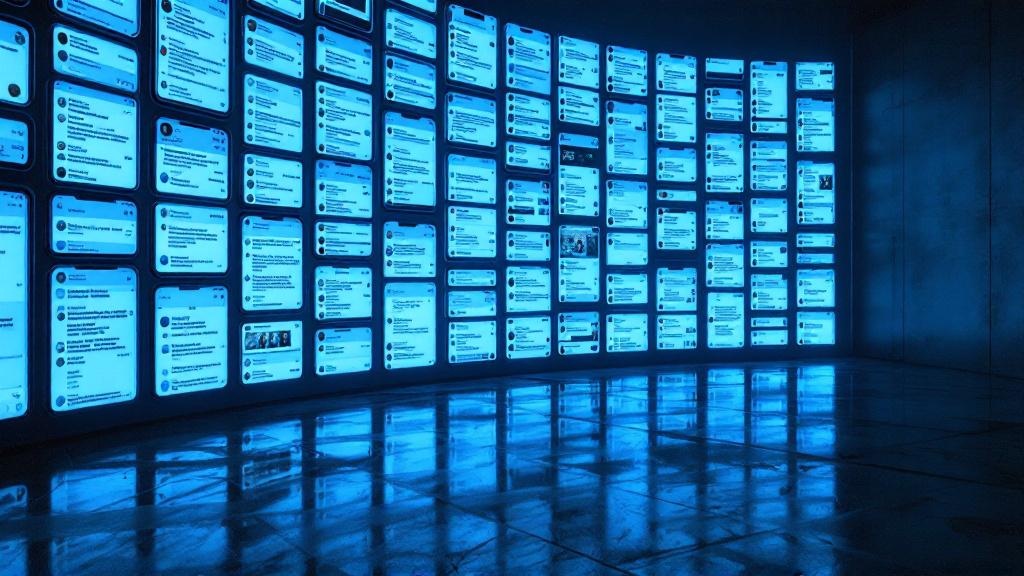
That song you can’t escape? It might be a lie. The product everyone seems to love? Probably staged. Fake trends now dominate every corner of social media. Yet most of us scroll along, believing we’re seeing real popularity. The truth is far more complicated. Marketing firms create thousands of accounts to make things seem popular. They post the same content over and over. They simulate organic success. And we fall for it constantly.
How Fake Trends Actually Work
The playbook is surprisingly simple. Companies hire firms that control hundreds or thousands of fake accounts. These accounts post similar content at the same time. They use the same talking points. They create the illusion that everyone loves something.
Think about it this way. If you see ten different people praising the same product, you assume it’s good. But what if those ten people work for the same company? What if they’re not real people at all? This is the new normal.
The Volume Game
Social media algorithms reward content that gets lots of engagement fast. So marketers flood the system with coordinated posts. They don’t need every post to go viral. They just need enough noise to trick the algorithm. Once the algorithm thinks something is trending, it shows that content to more people. Real users then engage with it. The fake trend becomes real.
Why Platforms Don’t Stop It
Platforms make money from engagement. They have little reason to stop fake trends. High engagement means more ad revenue. More viral content keeps users scrolling. So the incentive structure actually rewards manufactured hype. Some platforms try to fight it. But the marketers always stay one step ahead.
The Death of Authentic Viral Success
Remember when things went viral naturally? A funny video. A catchy song. Something genuinely good that people shared because they loved it. That world is mostly gone now.
Today, almost everything that seems organically popular has paid help. Musicians use coordinated campaigns. Startups hire influence networks. Even political movements use the same tactics. The playing field is rigged. True organic success is now the exception, not the rule.
The Unfair Advantage
This creates a real problem for creators without big budgets. Imagine you’re a musician making great music. You post it honestly. Meanwhile, your competitor pays for fake engagement. Their music seems more popular. The algorithm boosts them. You get buried. Talent matters less than marketing spend now.
For more insights on how KREAblog covers digital culture, explore our other articles.
What This Means for Your Feed
So what should you do? First, become a skeptic. When something seems suddenly everywhere, ask why. Look at the accounts posting about it. Are they real people with posting history? Or do they only talk about one thing?
Second, trust your own taste. You don’t have to like what everyone else likes. Especially when “everyone else” might be fake accounts. Your genuine preferences matter more than manufactured consensus.
The Bright Side of Awareness
There’s actually good news here. Once you know the trick, it loses power. You can enjoy things on your own terms. You can stop feeling bad for missing trends. Most trends aren’t real anyway. Freedom comes from knowing the game is rigged.
Building Real Taste
The best defense is developing genuine taste. Follow creators you actually like. Ignore trending pages. Seek recommendations from real friends. Build a feed based on your authentic interests. This takes more effort. But the experience is far more rewarding.
The Future of Manufactured Popularity
This problem will only get worse. AI makes creating fake content easier. Generating thousands of unique posts costs almost nothing now. The line between real and fake will keep blurring.
However, some people are pushing back. Independent music communities share discoveries without algorithms. Small newsletters recommend products honestly. Real communities still exist. They’re just harder to find.
The era of trusting popularity is over. But the era of trusting yourself is just beginning. That might actually be better. You don’t need everyone to like what you like. You just need to know what’s real. And now you do.
This article is for informational purposes only.