

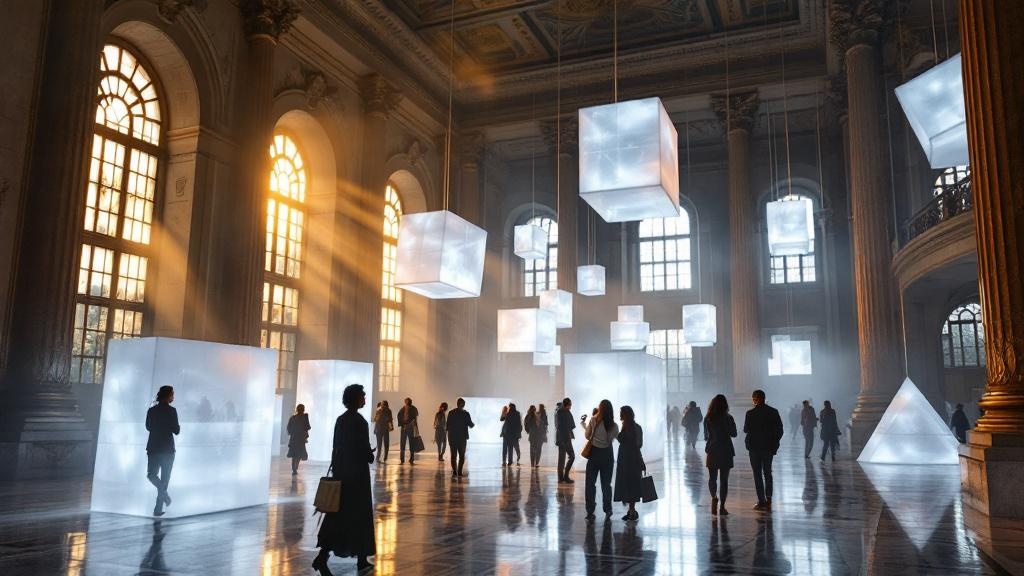
Design installations have become the beating heart of major creative events worldwide. They do more than fill empty rooms. These experiences reshape how visitors think, feel, and connect with ideas. However, most people walk through them without understanding the deeper psychology at play. Let’s explore why these immersive spaces matter so much right now.
Why Design Installations Matter More Than Ever
We live in an age of endless screens. Our attention spans have shortened dramatically. Yet something strange happens at physical installations. People slow down. They linger. They actually look at things.
This shift reveals a hunger for real experiences. Digital fatigue is very real. As a result, creators are responding with spaces that demand physical presence. You simply cannot screenshot the feeling of standing inside a room that responds to your movement.
The Psychology of Spatial Experience
Our brains process physical spaces differently than images on screens. Walking through a designed environment activates multiple senses at once. Temperature, sound, light, and texture all work together. This creates memories that stick.
Research in environmental psychology confirms this effect. People remember spatial experiences three times longer than digital ones. Therefore, brands and artists are investing heavily in physical presence. The KREAblog team has covered this trend extensively over recent years.
Breaking the Gallery Tradition
Traditional galleries kept visitors at arm’s length. Do not touch. Stay behind the rope. Keep quiet. But modern installations flip this script entirely.
Today’s best work invites participation. It responds to movement and touch. Some pieces only activate when people enter them. This interactivity changes the relationship between viewer and art. You become part of the work itself.
The Hidden Language of Design Installations
Great installations speak without words. They communicate through materials, light, and proportion. Most visitors feel these effects without consciously noticing them. That’s exactly the point.
Consider how ceiling height affects mood. Low ceilings create intimacy. High ceilings inspire awe. Installation designers manipulate these elements deliberately. Every choice serves a purpose.
Material Choices Tell Stories
Raw concrete feels industrial and honest. Polished brass suggests luxury and craft. Soft fabrics invite touch and comfort. These material associations are deeply cultural.
Smart designers use these expectations strategically. Sometimes they confirm them. Sometimes they deliberately break them. For example, industrial materials in domestic settings create productive tension. This contrast makes people pay closer attention.
Light as the Invisible Sculptor
Lighting might be the most underrated design tool. It shapes perception more than any other element. Yet most visitors never consciously notice it.
Warm light makes spaces feel intimate. Cool light creates alertness. Dramatic shadows add mystery. Moving light suggests life and change. Master installers treat light as their primary medium. Everything else serves the lighting concept.
What the Best Installations Teach Us
Here’s a contrarian take. Many hyped installations are actually quite shallow. They’re built for Instagram, not genuine experience. They prioritize the photograph over the moment.
The truly great work does the opposite. It rewards prolonged attention. It reveals layers over time. Photos cannot capture its essence. You simply have to be there.
This distinction matters more than ever. We’re drowning in shareable content. But genuine experiences remain rare. The installations that endure are those that resist easy documentation.
Furthermore, the best work creates community. Strangers share the experience together. They exchange glances of wonder. They discuss what they witnessed. This social dimension amplifies the emotional impact.
The Future of Immersive Design Spaces
Technology will continue changing what’s possible. Projection mapping grows more sophisticated yearly. Sensors allow increasingly responsive environments. AI can personalize experiences in real time.
But technology alone doesn’t guarantee meaning. The most powerful installations still rely on fundamental human psychology. They tap into universal needs for wonder, connection, and beauty.
Climate concerns are also reshaping the field. Temporary installations generate significant waste. Forward-thinking designers now plan for disassembly. Materials get reused or recycled. Sustainability becomes part of the concept itself.
Meanwhile, accessibility is receiving overdue attention. Great installations should work for all bodies and abilities. This constraint often sparks more creative solutions. Limitations breed innovation.
The next decade will likely see installations merge with architecture more completely. Buildings themselves will become experiential works. The boundaries between functional space and art will blur further.
Ultimately, these spaces remind us what physical presence offers. In our increasingly virtual world, they argue for showing up. For being somewhere specific, at a particular moment, with other people. That argument grows more persuasive every year.
This article is for informational purposes only.