

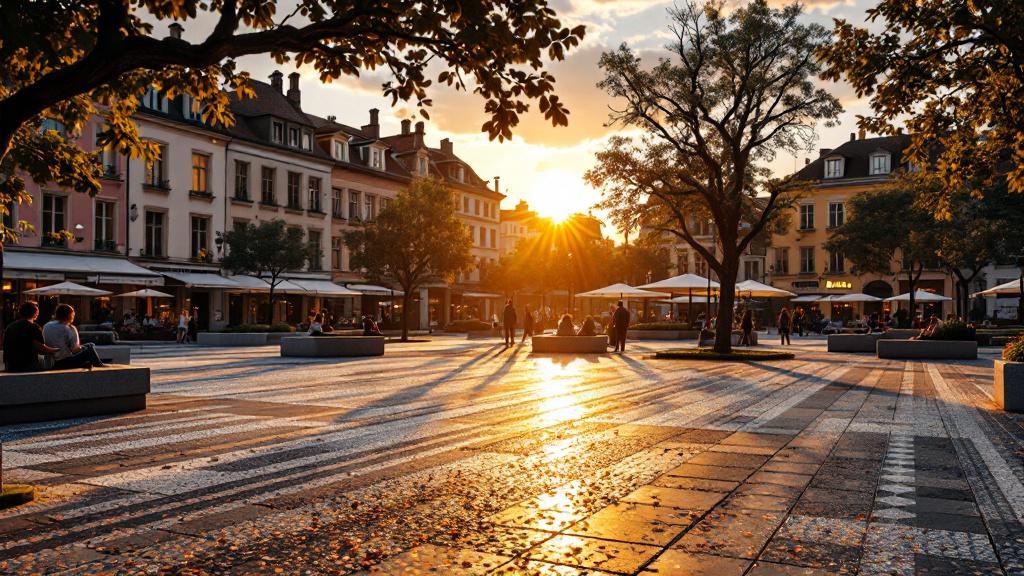
Public space design shapes how communities gather, interact, and thrive. It’s far more than benches and sidewalks. These areas define a town’s soul. They tell stories about values. So why do so many projects get it wrong?
Here’s a contrarian take: most civic design fails. It fails because it prioritizes aesthetics over behavior. Pretty plazas sit empty. Gorgeous fountains become pigeon hotels. The magic happens when designers study people first.
Why Public Space Design Matters More Than Ever
Urban areas worldwide face a loneliness crisis. People live closer together yet feel more isolated. Town centers can fix this. They can become the living rooms of communities. But only if designed with intention.
Traditional approaches focused on grand gestures. Think imposing statues and symmetrical gardens. Modern thinking flips this. It asks: what do people actually need? Shade on hot days. Seating that invites conversation. Materials that age gracefully.
The Psychology of Gathering
William Whyte studied plazas for decades. His findings surprised everyone. People sit where there are places to sit. Obvious, right? Yet designers kept forgetting this basic truth. They created beautiful voids. Nobody came.
Seating matters enormously. However, not all seating works equally. Fixed benches in rows feel institutional. Moveable chairs create ownership. People arrange them. They claim territory. This tiny freedom transforms behavior completely.
Materials Tell Stories
Terrazzo has made a stunning comeback recently. This composite material mixes marble chips with concrete. It ages beautifully over time. Each installation becomes unique. The texture invites touch and close observation.
Concrete often gets dismissed as cold. Yet skilled designers prove otherwise. Polished concrete reflects light dramatically. Textured finishes add warmth and character. Color can transform industrial feelings into welcoming ones.

How Public Space Reshapes Town Identity
Every town center tells a story. Some stories bore people instantly. Others captivate and invite return visits. The difference lies in thoughtful details. Materials, scale, and flow create emotional responses.
Consider edge conditions carefully. The boundary between private and public matters immensely. Cafes spilling onto sidewalks blur these lines. Shopfronts with transparency create visual connection. Dead walls kill foot traffic instantly.
Scale and Human Proportion
Massive plazas often feel threatening. Our brains evolved in smaller spaces. We seek shelter and defined boundaries. Therefore, successful designs create rooms within larger areas. Trees define edges. Level changes suggest zones.
Children teach us about scale. Watch them explore. They find nooks and corners adults overlook. They climb on everything possible. Good design anticipates this behavior. It welcomes it rather than forbidding it.
Programming Without Prescribing
The best spaces allow multiple uses. A wide stairway becomes seating. An open plaza hosts markets on weekends. Flexibility beats single-purpose design every time. Still, some programming helps. Farmers markets draw crowds initially. Regular events build habits.
According to KREAblog, creative approaches to public environments spark community engagement. The key is suggesting activities without demanding them. Provide a flat surface for performers. Don’t build a permanent stage.
Lessons from Unexpected Places
Northern European countries excel at public space. This seems counterintuitive. Cold weather should drive people indoors. Yet these nations create vibrant outdoor life regardless. How do they achieve this?
They invest properly. Not just in construction, but maintenance. A neglected space signals danger. A well-kept one communicates care. Even simple interventions matter. Good lighting extends usable hours dramatically.
Learning from Failures
Brutalist plazas of the 1960s taught harsh lessons. Wind tunnels made walking unpleasant. Dark corners attracted crime. Sunken areas became invisible dangers. We learned by doing things wrong first.
Climate change forces new thinking now. Heat islands make traditional paving dangerous. Permeable surfaces must replace solid concrete. Trees become infrastructure, not decoration. Shade determines whether spaces get used.
Technology’s Quiet Role
Smart benches that charge phones seem gimmicky. But they draw people reliably. Free wifi keeps them longer. Sensors can track usage patterns. This data improves future designs. Technology works best when invisible though.
Interactive elements engage younger generations especially. Water features children can control create delight. Changing lights respond to movement. Yet analog experiences remain valuable too. Sometimes a good bench beats any gadget.
The Future of Civic Spaces
Post-pandemic cities reconsider outdoor space entirely. Streets closed to cars became gathering places. Pop-up parklets proved popular everywhere. Temporary experiments revealed permanent possibilities. The car-centric era slowly ends.
Climate adaptation drives design decisions increasingly. Bioswales manage stormwater beautifully. Native plantings reduce maintenance costs. Shade structures use recycled materials. Sustainability and beauty align when done thoughtfully.
Ultimately, great public space serves everyone. It welcomes teenagers and grandparents equally. It functions at noon and midnight. It adapts across seasons. This sounds simple. Yet achieving it requires deep understanding.
The towns that invest in these spaces now will thrive. They’ll attract residents seeking community. They’ll build social bonds that strengthen everything. That’s not sentiment. That’s smart urban strategy.
This article is for informational purposes only.