

The first spam email ever sent didn’t come from a shadowy hacker. It came from a well-meaning marketing man named Gary Thuerk. It was 1978. The internet didn’t even have that name yet. So how did one message manage to annoy hundreds of people at once — and change communication forever?
Thuerk worked at a computer company called Digital Equipment Corporation. He had a list of addresses on ARPANET, the early military-funded network that would later become the internet. He wanted to tell people about a new computer. So he sent one message to 393 people. That was it. Simple. But also, as it turned out, a really big deal.
The First Spam Email and What Actually Happened
The message went out on May 3, 1978. Thuerk typed a promotional note about DEC’s new DECSYSTEM-20 machines. He sent it to every ARPANET address on the West Coast. The network had strict rules at the time. It was funded by the US government. It was supposed to be used only for official research. Sending ads? That was not allowed.
The reaction was fast and brutal. Recipients were furious. Some fired back angry replies. Network administrators complained loudly. One ARPANET officer sent Thuerk a formal warning. The message was widely condemned as inappropriate. Thuerk has said in interviews that his boss was not happy. But here’s the twist — a few people actually responded positively. Some even attended the computer demo he mentioned. That’s right. The world’s first spam email technically worked.
Why the Message Looked So Strange
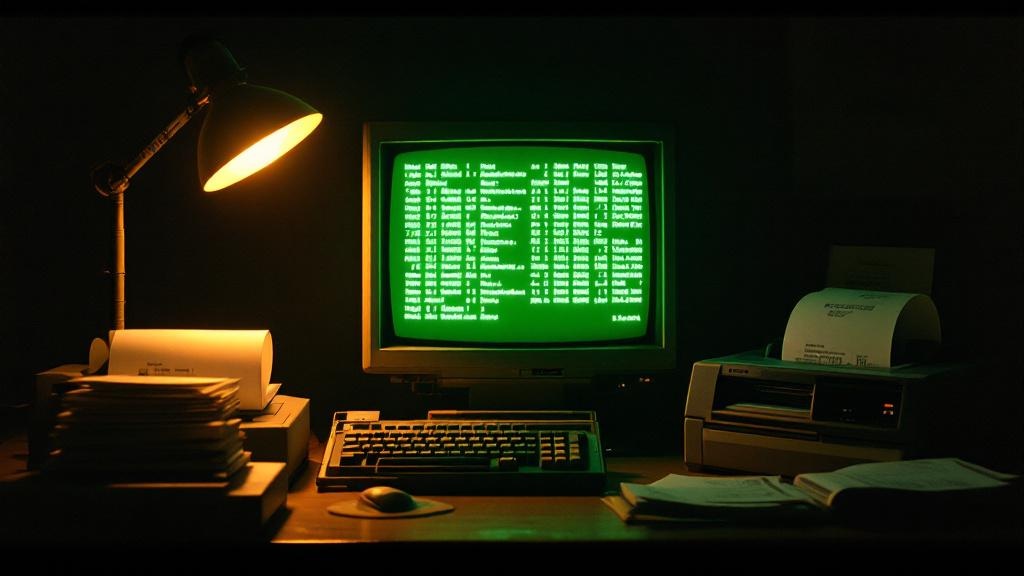
Early email software wasn’t built for mass messages. Thuerk’s system couldn’t handle a recipient list that long. So the addresses spilled into the body of the message itself. Recipients saw a long wall of names before reading any content. It looked broken. It was messy. It read nothing like modern email. But it was undeniably a broadcast commercial message — the definition of spam.
The Word “Spam” Came Later
Interestingly, nobody called it spam in 1978. That word came years later. It came from a famous Monty Python sketch. In that sketch, a café serves spam — the canned meat — in absolutely every dish. The word spam is repeated over and over until it drowns everything out. In the early 1990s, internet users started using that word to describe unwanted messages flooding online spaces. The name stuck. So the world’s first spam email existed for over a decade before anyone even had a word for it.

What That Spam Email Built — For Better or Worse
Thuerk’s message didn’t break the internet. But it did crack open a door. Once people saw that mass messaging was possible, that door never fully closed again. By the mid-1990s, spam had become a genuine crisis. Businesses and scammers sent millions of messages daily. Inboxes overflowed. Users felt powerless. The problem grew so fast that governments had to respond.
The Laws That Followed
The US passed the CAN-SPAM Act in 2003. It set rules for commercial email. Senders had to include a physical address. They had to offer an opt-out. Subject lines couldn’t be deceptive. Europe went even further. The GDPR and related rules made spam laws much stricter. Fines became enormous. Still, spam didn’t disappear. Even today, researchers estimate that roughly 45% of all email sent globally is spam. That’s billions of messages every single day.
Thuerk’s Strange Legacy
Gary Thuerk has been called the “Father of Spam.” He has spoken publicly about the title. He doesn’t love it. In interviews, he prefers “Father of e-marketing.” That’s fair, honestly. His intent was commercial promotion, not malicious flooding. But intent doesn’t always shape legacy. His one message created a template that bad actors scaled into a global problem. It also pushed engineers to build spam filters — which are now a core part of how email works.
That’s the strange loop here. The first spam email triggered decades of security innovation. Without that annoying 1978 message, we might not have the intelligent filtering systems that protect inboxes today. KREAblog loves this kind of origin story. The messy, unintentional ones. The ones where one person did something small and weird — and the whole world had to respond.
Why This Spam Email Story Still Matters
There’s a bigger lesson in all of this. New communication tools almost always get misused before they get protected. Email had no rules. Neither did social media at first. Neither did SMS. Neither did push notifications. Each time a new channel opens, someone figures out how to flood it. Then engineers build walls. Then regulators write laws. Then the cycle starts again on the next platform.
Thuerk’s 393-person message kicked off that entire cycle. He didn’t know he was doing it. He just wanted to sell computers. But sometimes one accidental move reshapes everything. That’s how history works. It’s rarely the grand plan. It’s usually the guy with a mailing list and very few limits on what he could send.
So next time you hit “mark as spam,” remember the year 1978. Remember a man with a promotional idea and an ARPANET address book. He didn’t invent email. But he definitely invented the problem that made email harder to love.
This article is for informational purposes only.