

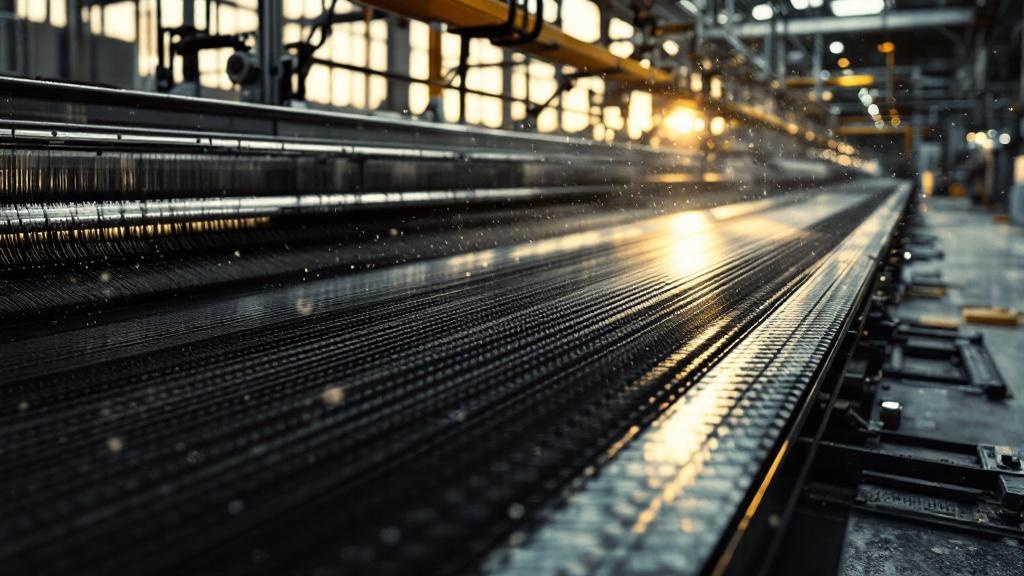
Weaving design might seem like an ancient craft. But it’s quietly reshaping modern technology. From smartphone cases to aerospace parts, woven patterns are everywhere. Here’s the surprising part: designers are just getting started.
Why Weaving Design Matters in Modern Tech
Think about the last tech product you admired. Chances are, woven textures played a role. Carbon fiber laptops feel premium because of their weave. Smart fabric in wearables works because threads cross paths. This isn’t coincidence. It’s intentional design thinking.
Ancient weavers understood something crucial about structure. Interlocking threads create strength from weakness. A single fiber breaks easily. But woven together? Nearly unbreakable. Modern engineers borrowed this exact principle. They didn’t reinvent it. They simply applied it to new materials.
The tech world often ignores craft traditions. That’s a mistake. Textile artisans spent thousands of years solving problems. How do you create flexible yet strong surfaces? How do you balance weight with durability? These questions matter for gadget designers too.
Carbon Fiber’s Debt to Textile Traditions
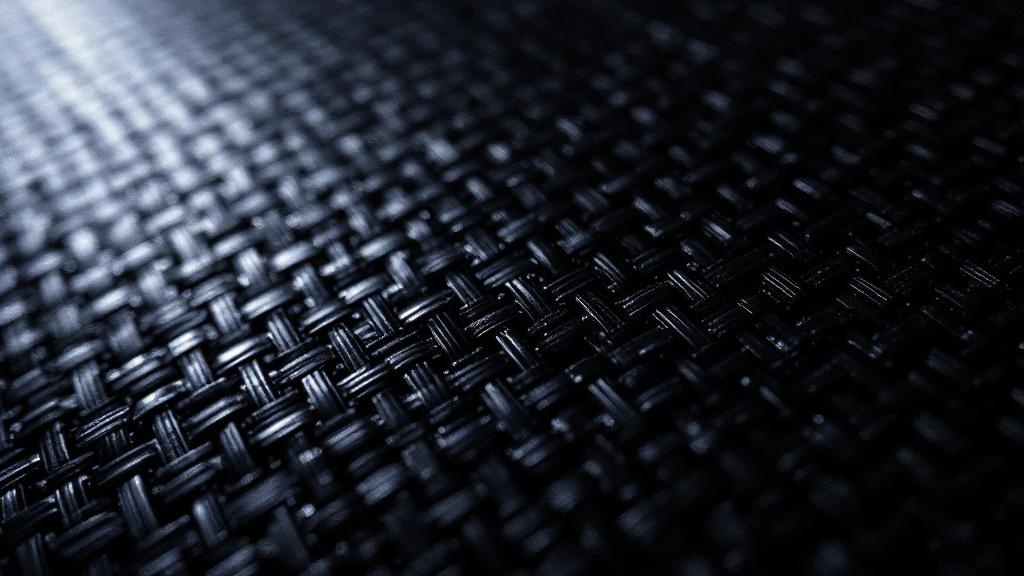
Carbon fiber looks futuristic. Its origins are ancient. The distinctive crosshatch pattern comes directly from textile looms. Engineers chose woven carbon because it distributes stress evenly. Random fibers would crack under pressure. But woven ones flex and recover.
Phone case makers discovered this years ago. However, the principle extends far beyond accessories. Aircraft wings use woven composites. So do racing bicycles. Even prosthetic limbs rely on textile-inspired engineering. The pattern isn’t just aesthetic. It’s functional.
Smart Textiles and Wearable Technology
Your fitness tracker probably has woven components. Smart fabrics need conductive threads woven into regular cloth. This creates circuits that bend without breaking. Traditional electronics would shatter under the same stress.
Researchers at KREAblog have covered wearable tech extensively. The field keeps growing. Medical sensors woven into hospital gowns monitor patients constantly. Athletic wear tracks muscle movement in real time. All of this depends on weaving principles.
The Philosophy Behind Weaving Design
Weaving isn’t just about making things stronger. It’s a design philosophy. Two opposing elements create something new together. Warp threads stay still. Weft threads move across them. Neither works alone. Together, they form fabric.
This metaphor applies beyond physical products. Digital interfaces use grid systems. These grids follow weaving logic. Horizontal and vertical elements intersect to create layouts. Designers who understand textiles often create better digital experiences. Why? Because they grasp interconnection intuitively.
Biomimicry and Natural Weaving Patterns
Nature figured out weaving long before humans did. Spider silk weaves in complex patterns. Bird nests interlock twigs using woven techniques. Even our own DNA twists in a woven helix. Biomimicry designers study these natural solutions constantly.
Some architects now create buildings inspired by woven structures. These buildings breathe better. They handle earthquakes more gracefully. The secret lies in flexibility through interconnection. Rigid structures resist force until they break. Woven structures absorb and redirect it.
Where Weaving Design Goes Next
Here’s my contrarian take: we’re underusing weaving principles. Most designers treat woven textures as decoration. They miss the deeper structural possibilities. The next breakthrough might come from someone who really studies looms.
Consider battery technology. Current batteries use flat layers. What if they used woven electrodes instead? Early research suggests woven batteries could charge faster. They might also last longer. The increased surface area creates more reaction space.
3D printing offers another frontier. Machines can now weave materials in three dimensions. This creates objects impossible to make any other way. Medical implants could match bone’s natural woven structure precisely. Aerospace components could shed weight without losing strength.
Digital Weaving and Generative Design
AI tools are learning to design woven patterns. They can test millions of variations quickly. Which crosshatch angle provides maximum strength? Where should threads be denser? Algorithms answer these questions in seconds.
But human creativity still matters. Algorithms optimize for known goals. They can’t invent new ones. The most exciting woven designs will come from human-AI collaboration. Machines handle the math. Humans provide the vision. This partnership could unlock possibilities neither could reach alone.
Sustainability Through Ancient Techniques
Finally, weaving offers environmental benefits. Woven products often use less material than solid ones. They’re frequently easier to repair too. A torn woven fabric can be rewoven. A cracked plastic shell goes straight to landfill.
Circular economy advocates should pay attention. Products designed with weaving principles disassemble more easily. Individual threads can be separated and recycled. This stands in stark contrast to glued composite materials. Those often become waste despite their recyclable components.
The ancient craft of weaving has lessons for our throwaway culture. Sometimes the oldest ideas are the most forward-thinking. Designers who embrace this paradox will shape technology’s future.
This article is for informational purposes only.