
Here’s a bold claim: most ergonomic design has been lying to us. For decades, we’ve been sold the same basic chair with minor tweaks. A lumbar bump here, an armrest there. But the way we actually work has changed completely. It’s time our furniture caught up.
Why Traditional Ergonomic Design Keeps Failing Us
The office chair was invented for a world that no longer exists. People sat at desks for eight hours straight. They typed on typewriters. They filed papers in cabinets. That world is gone now.
Today, we shift between laptops, tablets, and phones. We video call from the couch. We work from kitchen tables. Yet somehow, ergonomic design stayed frozen in time. The standard office chair still dominates. This is a problem.
The Myth of Perfect Posture
Every ergonomic chair promises perfect posture. Sit at 90 degrees. Feet flat on floor. Eyes level with screen. But here’s the truth nobody tells you. Static posture is the enemy. Your body hates staying still.
Research shows that movement matters more than position. The best sitting position is always the next one. However, most chairs fight against natural movement. They lock you into place. They reward stillness over flow.
One Size Fits Nobody
Standard ergonomic chairs are built for average bodies. But average bodies don’t exist. Some people are tall. Others are short. Bodies come in endless shapes. Therefore, the typical office chair fails most people.
Furthermore, our needs change throughout the day. Morning energy differs from afternoon fatigue. A chair that works at 9 AM might hurt by 3 PM. Designers are finally starting to understand this simple fact.
The New Wave of Ergonomic Design Thinking
Something interesting is happening in furniture design circles. Designers are questioning everything. They’re asking better questions. What if chairs could adapt in real time? What if sitting meant something different?
This shift moves beyond mere comfort. It’s about supporting how humans actually behave. We fidget. We lean. We perch. We slouch. Good design should work with these habits. Not against them.
New approaches treat movement as essential. Some designs allow constant micro-adjustments. Others encourage standing, perching, and sitting interchangeably. The goal is simple. Keep the body active while working.
For example, some chairs now feature flexible bases. They let you rock and tilt naturally. This engages core muscles without conscious effort. As a result, you burn calories while answering emails. That’s clever design thinking.
Context-Aware Solutions
Smart designers now consider the full work environment. A chair doesn’t exist alone. It connects to desks, screens, and lighting. The best creative design solutions think about the whole system. Not just isolated pieces.
Meanwhile, home offices present unique challenges. Space is limited. Furniture must serve multiple purposes. A work chair might also be a dining chair. These constraints actually spark better ideas.
What Award-Winning Designs Reveal About Our Future
Design awards matter more than you might think. They signal where the industry is heading. Recent winners share common themes. They prioritize flexibility over rigidity. They value simplicity over complexity.
The designs getting attention now look different. Some barely resemble traditional chairs. Others blend categories entirely. Is it a stool? A chair? A standing support? Yes. All of these at once.
Beauty Meets Function at Last
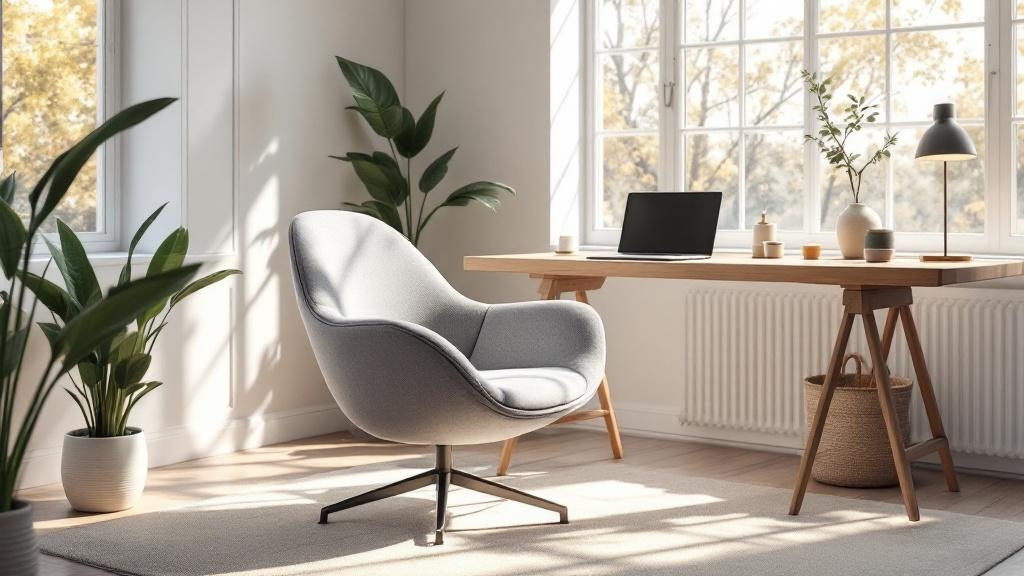
For years, ergonomic meant ugly. Black mesh. Industrial frames. Visible adjustment knobs. That era is ending. New designs prove comfort and beauty can coexist. This matters for modern home aesthetics.
Designers now use premium materials thoughtfully. Colors go beyond black and gray. Shapes flow more organically. In contrast to clunky predecessors, these pieces actually look inviting. You might even want them visible.
Sustainability Enters the Conversation
Good ergonomic design now considers the planet too. Durable products last longer. Quality materials age gracefully. Modular designs allow part replacement. These factors reduce waste significantly.
So the best new chairs serve your body and the environment. That’s a win worth celebrating. Cheap chairs break fast. They end up in landfills. Investing in quality makes sense for everyone.
How to Think About Your Own Sitting Habits
You don’t need an expensive chair to sit better. Start by noticing your patterns. When do you feel stiff? Where does discomfort begin? These clues guide smart changes.
Try varying your positions throughout the day. Stand for calls. Perch during quick tasks. Sit deeply for focused work. Your body craves variety. Give it what it wants.
Consider your whole setup, not just your chair. Screen height matters. Keyboard position matters. Lighting affects posture unconsciously. Small adjustments create big improvements over time. Check out more workspace tips for additional ideas.
The future of sitting isn’t a perfect chair. It’s a smarter relationship between our bodies and our environments. Designers are finally getting this right. The rest is up to us.
This article is for informational purposes only.