

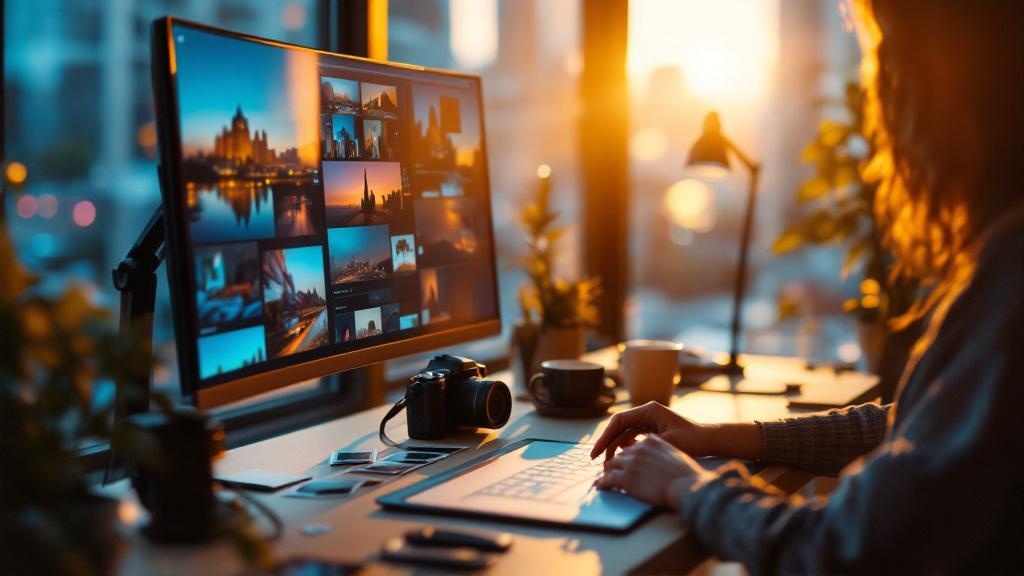
Original content rules are quietly rewriting the playbook for social media success. For years, aggregator accounts thrived by resharing viral posts. They built massive followings without creating anything new. But that era is ending. Platforms now want fresh ideas, not recycled ones. This shift rewards creators who actually make things. It also punishes accounts that just copy and paste.
Here’s the thing most people miss about this change. It’s not really about fairness. It’s about keeping users engaged longer. Seeing the same meme twelve times gets boring. So platforms are betting on novelty. They want your feed to feel surprising. That means original creators will finally get more eyes on their work.
Why Original Content Rules Favor Real Creators
The internet built its culture on sharing. Memes spread because people passed them around freely. But somewhere along the way, sharing became stealing. Aggregator accounts would grab popular posts and claim the engagement for themselves. Meanwhile, the actual creator got nothing. No followers. No credit. Just the frustration of watching someone else profit from their work.
The Aggregator Problem Nobody Talked About
Think about it this way. You spend three hours making a clever video. Someone downloads it and reposts it to their million followers. Their post goes viral. Yours doesn’t. This happened constantly for years. Platforms looked the other way because engagement was engagement. They didn’t care who created what. But now algorithms are getting smarter. They can detect when content isn’t original. And they’re starting to care about source material.
What Counts as Truly Original Work
Creating something from scratch obviously counts. But there’s a gray area worth exploring. Adding your own perspective to existing content can work too. Memes are a perfect example. Taking a popular image and adding clever commentary transforms it. You’re not just copying anymore. You’re building on top of someone else’s foundation. The key difference? Your addition must be meaningful. A simple watermark doesn’t cut it. Neither does speeding up a video slightly.
The Hidden Winners of Original Content Policies
Small creators stand to gain the most from these changes. Previously, they competed against aggregators with huge follower counts. That felt impossible to overcome. But now the playing field is tilting. Accounts that create genuinely new work will appear more often in recommendations. Meanwhile, copy-paste accounts will slowly fade from discovery feeds. This doesn’t happen overnight though. Algorithm changes take months to show real effects.
Artists and Photographers Finally Get Their Moment
Visual creators have suffered most from content theft. Their work travels across platforms without credit. Photography accounts with millions of followers often own almost no original images. That’s wild when you think about it. However, these new policies directly target that behavior. Photographers who post their own shots will rise in visibility. Stock content accounts will struggle to compete. At KREAblog, we’ve watched this tension build for years. Finally, something is changing.
Why Meme Creators Aren’t Going Anywhere
Some worried these rules would kill meme culture. That fear is overblown. Memes thrive because they add new meaning to existing templates. A good meme transforms its source material completely. The humor, the commentary, the cultural reference—that’s all original work. Platforms recognize this distinction. They’re not banning remixes. They’re banning lazy reposts. There’s a meaningful difference between those two things. Meme pages that add real creativity will keep thriving. Those that just repost will fade away.
What This Means for Your Posting Strategy
If you’ve been reposting content, it’s time to rethink your approach. The math has changed. Aggregation used to be a smart shortcut to growth. Now it’s a path to invisibility. Your reposts won’t appear in recommendations anymore. You’ll only reach existing followers. That severely limits growth potential. So what should you do instead?
Building a Sustainable Creative Practice
Start documenting instead of creating from scratch. That’s advice worth considering. Not everyone can make elaborate productions. But everyone has a unique perspective to share. Film your process. Share your thoughts on trends. React to news in your niche. These all count as original contributions. The barrier to originality is lower than you think. You don’t need fancy equipment or professional skills. You just need to show up as yourself.
The Remix Mindset Still Works
Remixing isn’t dead. It just needs more effort now. Taking someone’s content and adding substantial commentary still works. Reaction videos remain viable when done thoughtfully. Duets and stitches that add real perspective will continue performing well. The common thread here is transformation. You must change the content meaningfully. Add your voice, your humor, your expertise. Make it unmistakably yours. Low-effort edits won’t cut it anymore.
The Bigger Picture Behind These Changes
Social platforms are maturing. They’re realizing that creator ecosystems need protection. When original creators leave, platforms become stale. They need fresh voices producing new ideas. That requires making creation worthwhile. And that means limiting those who profit from others’ work. Will these policies solve content theft entirely? Probably not. But they signal a meaningful shift in priorities.
The internet’s remix culture isn’t disappearing. It’s evolving. We’re moving toward a model that values addition over extraction. Creators who embrace this shift will thrive. Those clinging to old aggregator tactics will struggle. The choice seems pretty clear from here. Start making things that are genuinely yours. The algorithms are watching. And finally, they’re rewarding originality.
This article is for informational purposes only.