

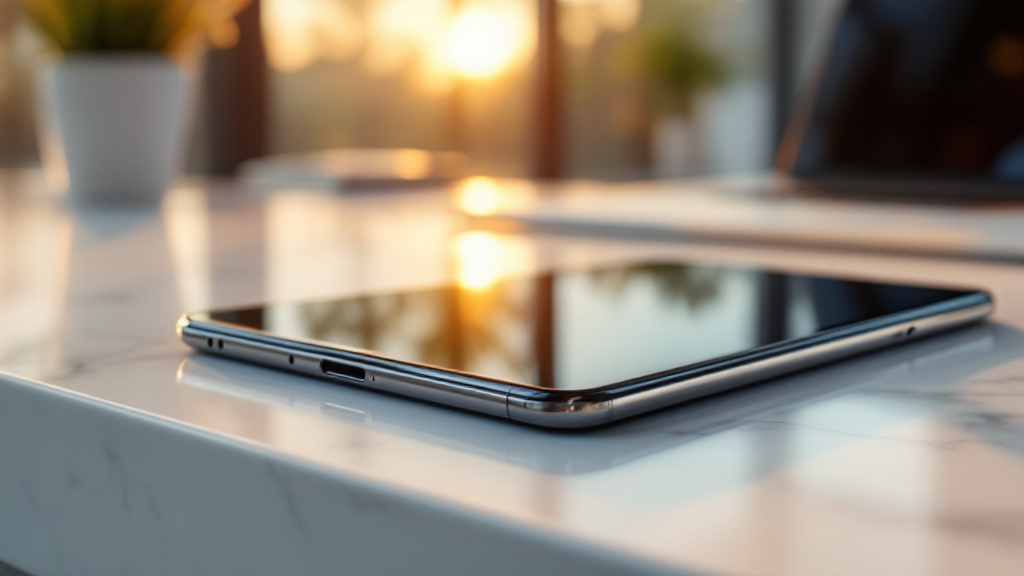
The foldable iPhone is no longer a fantasy. Apple is finally entering a market it ignored for years. But here’s the twist: that delay might be genius.
Other companies rushed foldable phones to market years ago. Many of those early devices had creaky hinges. Some screens cracked within weeks. Consumers became wary. Meanwhile, Apple watched and learned.
This isn’t a company that fears being late. It’s a company that fears being wrong. There’s a big difference.
The Foldable iPhone Enters a Crowded Space
By now, foldable phones aren’t new. Several brands have released multiple generations. So why does this moment still feel significant?
Because Apple changes markets by entering them. The smartphone existed before the iPhone. Music players existed before the iPod. Yet Apple’s versions became the standard.
The foldable market has struggled with mainstream adoption. Prices stayed high. Durability concerns lingered. Average consumers watched from the sidelines. That could shift now.
Learning From Competitors’ Mistakes
Early foldable phones taught the industry hard lessons. Screen creases bothered users. Hinge mechanisms failed. Software struggled with changing screen sizes.
Apple had the luxury of observation. It saw what worked. More importantly, it saw what didn’t. That’s valuable intelligence you can’t buy.
Reportedly, testers praise the new device’s premium feel. The hinge works smoothly. The screen unfolds without drama. These basics matter more than flashy features.
The Price Question
Let’s be honest. A phone costing over two thousand dollars raises eyebrows. That’s mortgage money for some people.
However, premium products find their buyers. Early adopters pay for bragging rights. Business users pay for productivity gains. Enthusiasts pay for the latest tech.
The real question is value. Does the foldable form factor justify the cost? That depends entirely on how you work and play.
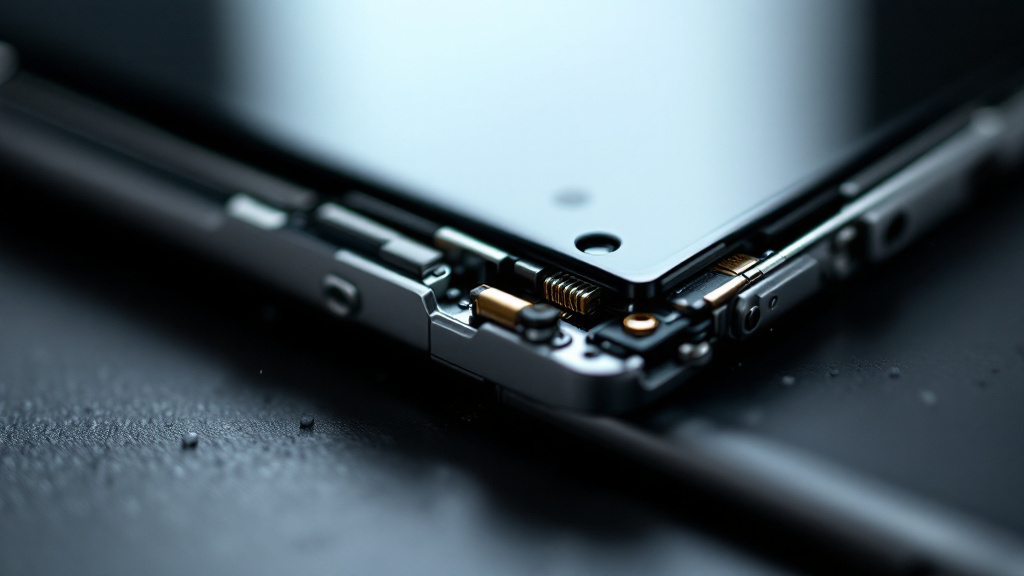
What Makes This Foldable iPhone Different
Hardware is only part of the story. Apple’s real advantage is ecosystem integration. This is where competitors consistently fall short.
When you unfold this device, you get tablet-like screen space. But it still runs phone software. This sounds limiting until you consider Apple’s approach.
The company builds experiences, not just devices. Your apps, files, and workflows travel with you. The KREAblog team has covered this strategy before.
Trade-offs Are Inevitable
No device does everything perfectly. This one reportedly skips the telephoto camera lens. That’s a real loss for photography fans.
Still, dual cameras remain. You get main and ultra-wide options. Most casual photographers won’t notice the difference.
Face ID reportedly disappears too. A fingerprint button takes its place. Some users will hate this change. Others will barely care.
Every thin device makes compromises. The question is whether Apple chose the right ones.
The Multitasking Promise
Running two apps side by side sounds useful. But does it actually change how you work?
Honestly, maybe. Drafting emails while viewing documents helps. Video calls alongside notes could boost meetings. Reference materials next to creative apps aids workflow.
Yet many people already have tablets and laptops. They handle multitasking fine. A folding phone might just add convenience.
Leadership Changes Add Intrigue
Tim Cook is stepping back. John Ternus takes the helm. This transition happens alongside the biggest product shift in years.
Ternus comes from hardware engineering. He understands physical products deeply. That background matters for a device this ambitious.
New leaders often want early wins. A successful foldable launch would prove his vision works. The stakes feel personal.
Should You Actually Care About Foldables?
Here’s a contrarian thought. Maybe foldable phones are solutions seeking problems.
Most people use phones for quick tasks. Checking messages. Scrolling feeds. Taking photos. A bigger screen doesn’t transform these activities.
But consider creators and professionals. A pocketable device with tablet capability intrigues them. It’s one less thing to carry.
The real test comes after the hype fades. Will people reach for this daily? Or will it feel like a novelty?
Technology history suggests patience pays off. First-generation products always improve. Waiting for version two rarely disappoints.
Then again, someone has to be first. Early adopters drive progress forward. Their feedback shapes better products for everyone.
Whether foldable phones become the new standard remains uncertain. But Apple’s entry makes that future more likely. When the biggest player commits, others follow.
This week’s announcement will answer some questions. It will raise many more. That’s exactly what makes technology exciting.
This article is for informational purposes only.