

Why the Most Disastrous Tech Launches Still Haunt the Industry
The most disastrous tech launches remind us that hype alone won’t save a product. Companies spend millions on marketing. They build massive anticipation. Then launch day arrives, and everything falls apart. These aren’t just minor glitches or small hiccups. We’re talking about full-blown catastrophes that lost billions of dollars. Some destroyed entire companies. Others forced leaders to resign in shame.
What makes a launch truly disastrous? It’s not just a bad product. It’s the gap between the promise and the reality. The bigger the hype, the harder the fall. Here at KREAblog, we love a good cautionary tale. So let’s count down ten launches that went spectacularly wrong.
1. A Smartphone That Literally Caught Fire
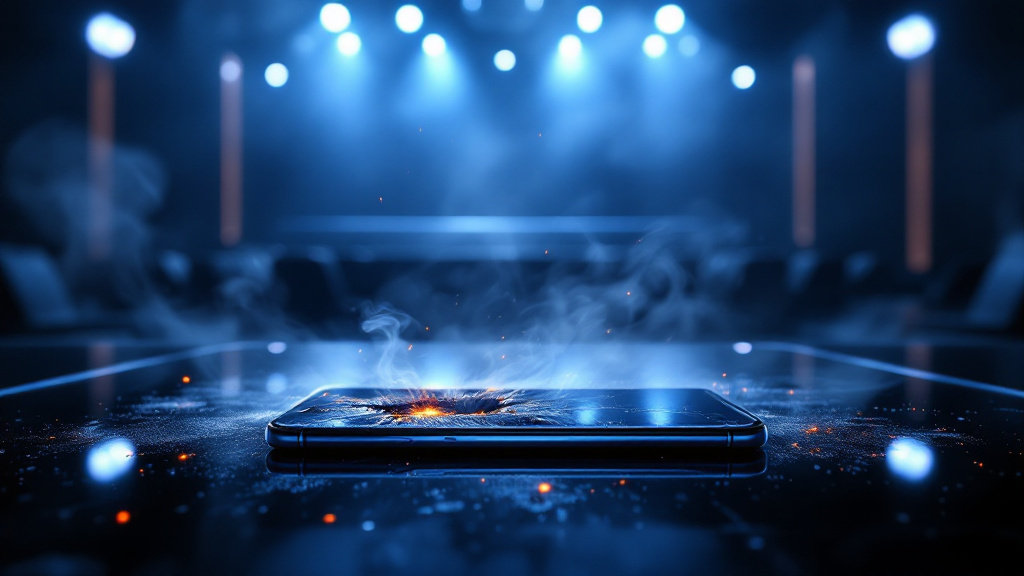
In 2016, a major smartphone launched with a terrifying flaw. Its batteries overheated and caught fire during normal use. Airlines banned the device from all flights worldwide. The company recalled millions of units within weeks. Eventually, they killed the entire product line. The recall alone cost an estimated five billion dollars in losses. But the damage to consumer trust was arguably worth even more.
2. The Disastrous Tech Behind a Failed Maps App
When a major company replaced a beloved maps app, chaos followed. The new version directed drivers into rivers and deserts. Landmarks appeared in completely wrong locations. Hospitals and airports vanished from the map entirely. The backlash was so severe that a CEO publicly apologized. He even told users to try competing products instead. That’s a rare level of embarrassment for any tech giant.
3. A Gaming Console Nobody Asked For
One company launched a console in 1995 with almost no games. Developers had barely six months to prepare for it. The surprise early launch angered major retail partners immediately. Stores that weren’t included in the launch boycotted the console. Only six games were available on day one. Meanwhile, a competitor responded with just two words and a price. The console was dead within two years.
4. The Social Network That Burned Through Billions
A major tech company launched its own social network in 2011. They spent hundreds of millions on development and marketing. Users hated the forced integration with other services. The platform felt like a ghost town within months. Despite years of pushing it on users, adoption never came. The company eventually shut it down in 2019. A data breach during its final year made things even worse.
5. A Wearable That Creeped Everyone Out
Smart glasses launched in 2013 with enormous media buzz. Early adopters paid fifteen hundred dollars per unit. But the public reacted with suspicion and hostility. Bars and restaurants banned wearers from their businesses. People wearing the device earned an unflattering nickname quickly. Privacy fears overshadowed every cool feature the device offered. The company pulled it from sale within two years.

6. A Disastrous Tech Update That Erased User Data
In 2014, a major mobile operating system update broke thousands of phones. Users lost cellular service within minutes of installing it. Some phones became completely unusable—bricked overnight. The company pulled the update within just one hour. However, the damage was already done for millions of users. It remains one of the fastest software rollbacks ever recorded. The incident taught the industry hard lessons about testing.
7. The Tablet That Died in Seven Weeks
A major company launched a tablet in 2011 at full price. Sales were so bad that stores couldn’t give them away. After just forty-nine days, the company killed the product entirely. They slashed prices to ninety-nine dollars for a fire sale. Ironically, the discounted tablets sold out in hours. The device actually had a decent operating system underneath. But poor marketing and weak app support doomed it instantly.
8. A Music Streaming Service That Mocked Its Audience
In 2015, famous musicians launched a streaming service with fanfare. The launch event featured celebrities signing a declaration on stage. Critics called it tone-deaf and elitist immediately. The service positioned itself as premium in a crowded market. Users saw no reason to switch from existing free options. Subscriber numbers stayed embarrassingly low for years. Multiple leadership changes couldn’t fix the core perception problem.
9. The Disastrous Tech Rollout of a Healthcare Website
In 2013, a government healthcare website launched to serve millions. It crashed within minutes of going live. Only six people successfully enrolled on the first day. Six. The site cost over two billion dollars to build originally. Engineers worked around the clock for months to fix it. Congressional hearings followed, and contractors faced intense scrutiny. It became the most infamous website launch in American history.
10. A Video Game Launch That Sparked Lawsuits
A highly anticipated video game launched in 2020 after years of delays. Marketing promised a groundbreaking open-world experience for all platforms. But on older consoles, the game was nearly unplayable. Frame rates dropped into single digits during action scenes. Bugs made characters disappear and cars fly through buildings. Refund demands overwhelmed both the developer and console stores. The developer’s stock price dropped by over forty percent within weeks.
These disastrous tech launches share a common thread. Companies prioritized deadlines over quality. They chose hype over honest communication. The market punished every single one of them. But here’s the thing—most of these companies survived. Some even came back stronger. The real lesson isn’t to avoid ambition. It’s that trust, once broken, takes years to rebuild. Every launch is a promise. And customers never forget a broken one.
This article is for informational purposes only.