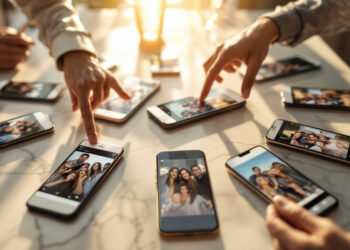


Your public photos now serve as raw material for AI tools you never agreed to use. That’s the uncomfortable reality of social media in 2024. Every selfie, vacation snap, or casual post can become training data. It can also become content for someone else’s creation. Most users have no idea this is happening.
How Public Photos Power AI Image Generators
Here’s what many people miss about AI image tools. They need to learn from somewhere. That somewhere is often your feed. When you post a photo publicly, you’re essentially donating it. You’re contributing to a massive visual library. Algorithms can study, remix, and reproduce elements from it.
Think about that for a second. Your face could appear in variations. Your style could be copied. Your background settings could show up in ads. And you’d never know. Nobody has to tell you. This isn’t some dystopian future scenario. It’s happening right now.
The Silent Data Harvest
Most social platforms bury permissions deep in terms of service. Have you read yours lately? Probably not. Few people do. So when AI features launch, users are caught off guard. They didn’t realize they’d already agreed to this. The consent happened years ago in fine print.
Meanwhile, private accounts stay protected. Accounts belonging to minors get excluded too. But the vast majority of users? They’re wide open. That’s billions of images available for AI systems to access.

Why Public Photos Raise Serious Privacy Questions
Let’s be honest about something. Sharing a beach photo isn’t the same as licensing it. Users expect their content to live where they posted it. They don’t expect it to become someone else’s creative asset. But that’s exactly what’s happening now.
The KREAblog team has tracked this shift for months. We’ve seen how quickly norms can change. What felt like personal expression now feels like involuntary contribution. The emotional gap between those two things is enormous.
Potential for Misuse
Consider the darker possibilities here. Someone could generate fake images featuring your likeness. They could manipulate your photos into awkward contexts. They could create content that embarrasses or harms you. You wouldn’t receive any notification. You might never even discover it happened.
This isn’t paranoia. It’s basic risk assessment. When tools make image manipulation easy, some people will misuse them. That’s just human nature. The question becomes: who bears the cost?
The Notification Problem
Most platforms don’t alert you when your content gets reused. That’s a design choice. It’s also deeply problematic. Transparency would create friction. It would slow down AI features. But it would also respect user autonomy. Companies have chosen speed over respect.
Imagine if you got a ping every time someone used your photo. You’d quickly see how often it happens. That visibility might change your behavior. It might change the platform’s behavior too. But we don’t get that visibility. By design.
What You Can Actually Do About It
So you’re uncomfortable with this situation. Fair enough. What are your options? They’re limited, but they exist. Start by understanding what’s possible. Then decide what trade-offs you’re willing to accept.
Go Private
The simplest solution is switching to a private account. This excludes your content from most AI features. But it also limits your reach dramatically. If you’re building an audience, that’s a real sacrifice. If you’re just sharing with friends, it’s no big deal.
However, going private isn’t foolproof either. Screenshots exist. Followers can still share your content elsewhere. Privacy settings offer protection, not guarantees. Keep that distinction in mind.
Audit Your Existing Content
Look at what you’ve already posted publicly. Years of photos might be sitting there. Some of them might feel more sensitive now. Consider archiving or deleting older content. It’s tedious work, but it reduces your exposure.
Also think about what you post going forward. Does every photo need to be public? Probably not. Being selective isn’t paranoid. It’s just smart digital hygiene in an AI-saturated world.
The Bigger Picture: Who Controls Your Digital Self?
This issue goes beyond one platform or feature. It’s about fundamental questions of ownership. When you create something, who does it belong to? In theory, you. In practice, it’s complicated. Platforms have broad rights over content you share.
We’re entering an era where your digital identity gets fragmented. Pieces of you exist in training datasets. They influence outputs you’ll never see. Your visual presence contributes to tools you’ll never use. That’s strange and new. We haven’t figured out the ethics yet.
Public trust in AI remains fragile for good reason. Research consistently shows mixed feelings about these technologies. People see benefits but worry about control. They want innovation but fear exploitation. Both reactions make perfect sense.
The companies building these tools face a choice. They can prioritize speed and features. Or they can prioritize consent and transparency. So far, speed has won. But user backlash could change that equation. Your voice matters in this conversation.
Don’t assume someone else will protect your interests here. That’s the uncomfortable truth. Stay informed. Make deliberate choices. And remember: in the AI age, every public photo is a gift you might not have intended to give.
This article is for informational purposes only.