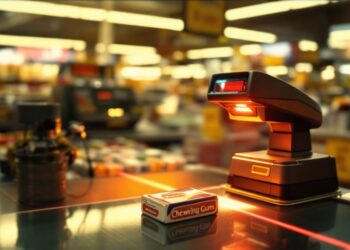

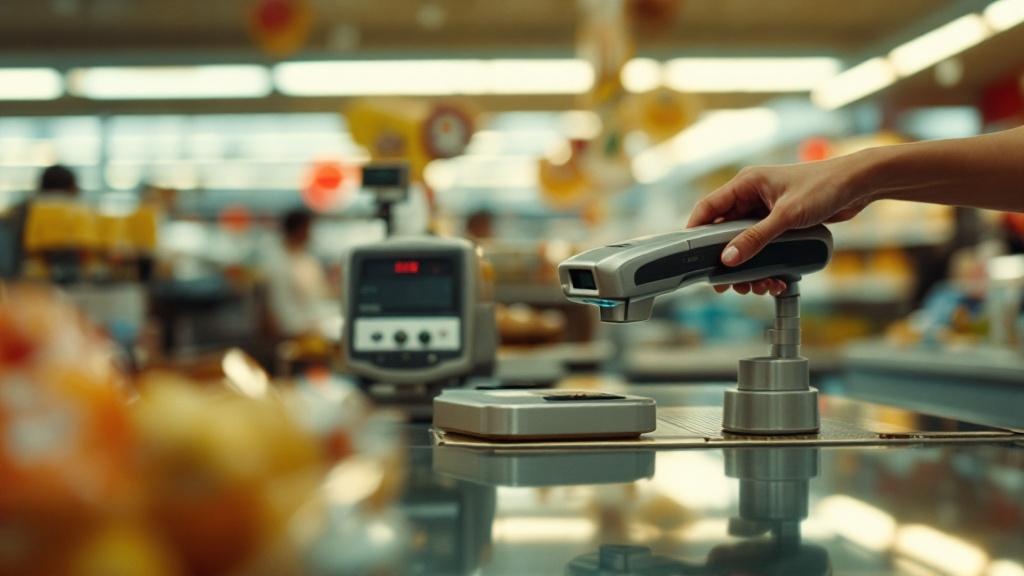
On June 26, 1974, the first barcode scanned in history was not on a high-tech device or military gear. It was on a ten-pack of Wrigley’s Juicy Fruit gum. A cashier at a Marsh supermarket in Troy, Ohio, pulled it across a scanner. The machine beeped. A receipt printed. And just like that, the modern shopping world was born. Most people have no idea this tiny moment changed everything about how we buy things.
The First Barcode Scanned and the Road to That Moment
The idea of a barcode did not appear overnight. It took decades of failed ideas and stubborn inventors. The concept started with two graduate students at Drexel University in 1948. Norman Woodland and Bernard Silver came up with the first rough idea. They were inspired by a Morse code pattern drawn in sand. They even filed a patent in 1949. But the technology to read their design simply did not exist yet.
Woodland later joined IBM. He kept pushing the idea forward. But it sat quietly for years. The real push came from grocery stores. Store managers were desperate. Long checkout lines cost them money. Manual price entry caused mistakes. Someone needed a faster solution.
The Committee That Almost Killed It
In 1970, a grocery industry group formed a committee. They wanted one universal product code for all stores. This sounds simple. But it took four years of arguments. Companies could not agree on the format. IBM, RCA, and others all had competing designs. IBM’s version, shaped like a rectangle, finally won. That rectangular pattern is the barcode we still use today.
The Scanner Had to Be Built First
The barcode was useless without a working scanner. A company called NCR built the first commercial checkout scanner. It used a laser to read the lines. The laser technology was new and expensive. Many store owners thought the whole idea was too risky. Marsh Supermarket in Troy, Ohio, took the chance. They installed the scanner. They trained their staff. Then they waited for opening day.
Why That Pack of Gum Still Matters Today
The gum that was barcode scanned first on June 26, 1974, is now in the Smithsonian Institution. It sits behind glass as a piece of American history. That feels right. One small product started a chain reaction. Stores became faster. Inventory tracking became automatic. Supply chains became smarter. Everything that followed started with that single beep in Ohio.
At KREAblog, we love moments like this. A boring-looking striped label changed the world more than most inventions people actually remember. The barcode did not look exciting. But it worked. And that was enough.
The Numbers Behind the Revolution
Today, over five billion barcodes are scanned every single day. That number is almost impossible to picture. Every grocery item, every shipping box, every hospital wristband uses the same basic idea. The system that came from a doodle in sand now moves the global economy. Barcodes help track medicine in hospitals. They stop theft in warehouses. They speed up airports.
What the Barcode Did to Retail Design
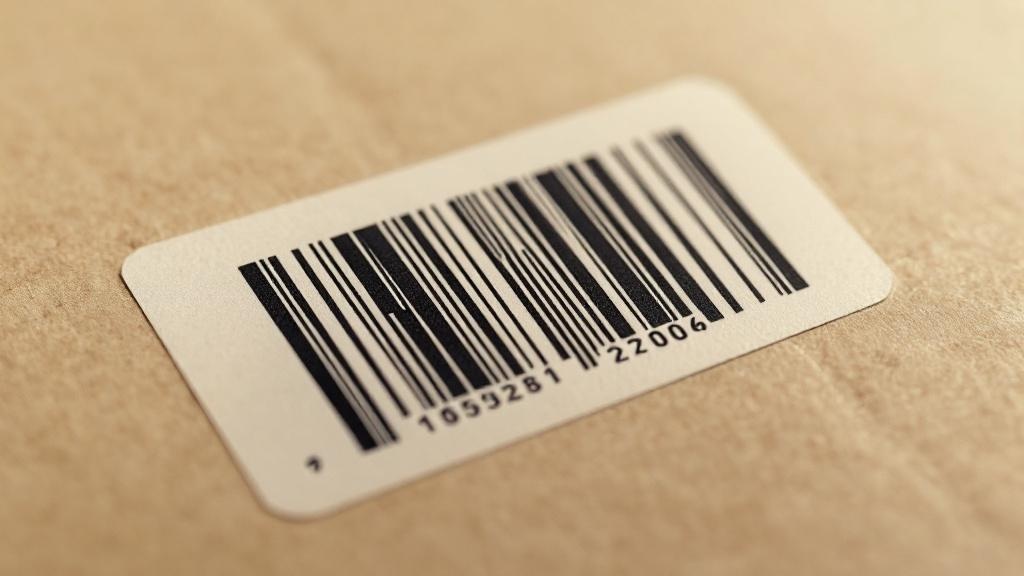
Barcodes also changed how products look. Designers had to add a white space around every barcode. This is called the quiet zone. Scanners need it to work correctly. Suddenly, packaging designers had a new rule. Every label had to include this strange striped box. Some designers hated it at first. Others got creative. Today, custom barcodes appear in brand colors and unusual shapes. Some brands even hide tiny illustrations inside them.
The barcode also created a new job category. Data analysts started using barcode scan data to understand shopping habits. Stores learned which products sold fastest at which times. This information shaped everything from shelf placement to store layout. That is a lot of power for a simple set of lines.
The Barcode’s Unexpected Design Legacy
Few people think of barcodes as a design story. But they absolutely are. The original UPC barcode was designed to be readable by machines. Yet humans also had to accept it visually. Early focus groups hated the look of barcodes on products. Some consumers thought they were ugly. Designers spent years figuring out how to blend them into packaging without ruining the look.
Then something shifted. Barcodes became cool. Artists started using them in prints and posters. Fashion brands put them on clothing. Musicians used them on album covers. The symbol of cold, industrial efficiency became a design icon. That is a remarkable turn for something invented to speed up a checkout line.
Of course, the barcode eventually met its next evolution. The QR code appeared in 1994. It could store far more information. Smartphones made QR codes part of daily life. But here is the thing — the original barcode never disappeared. Both systems still run side by side today. The old and the new coexist on shelves across the world.
For more surprising stories about technology and design, check out KREAblog and explore how small ideas quietly build big futures.
The first barcode scanned in 1974 was a humble moment. One beep. One pack of gum. One receipt. But that moment rewired how the entire world moves goods, tracks products, and runs stores. Not bad for a striped sticker. Next time you hear that familiar beep at checkout, remember — someone in Ohio heard it first. And nothing was ever the same again. Follow more world-changing firsts at KREAblog.
This article is for informational purposes only.