
Humanitarian architecture is changing how we think about crisis response. It’s no longer just about putting roofs over heads. Today’s designers ask harder questions. How do we build dignity? Can structures teach skills? What happens when aid workers leave? These questions matter more than ever now.
Most people picture tents when they think of disaster relief. That’s outdated thinking. The field has evolved dramatically. Architects now create systems, not just shelters. They design for decades, not months. This shift changes everything.
How Humanitarian Architecture Reshapes Communities
Here’s a truth most people miss. Buildings can heal or harm communities. A poorly designed camp creates dependency. However, a thoughtful one builds self-reliance. The difference lies in process, not just product.
Traditional aid often drops prefab units into crisis zones. Done. Move on. But this approach fails repeatedly. Why? Because it ignores local knowledge completely. It treats affected people as passive recipients. That’s both ineffective and insulting.
Local Materials Change Everything
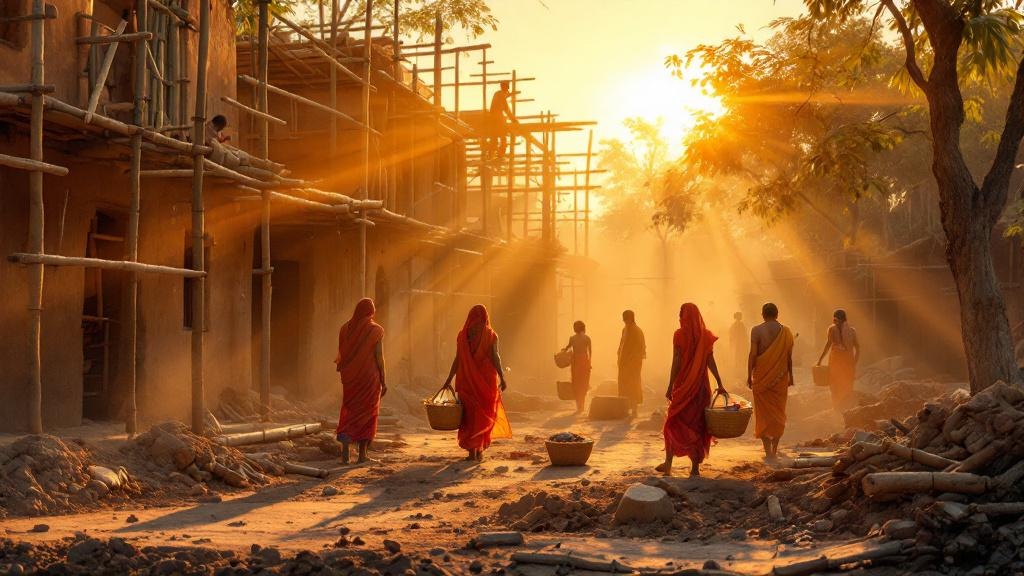
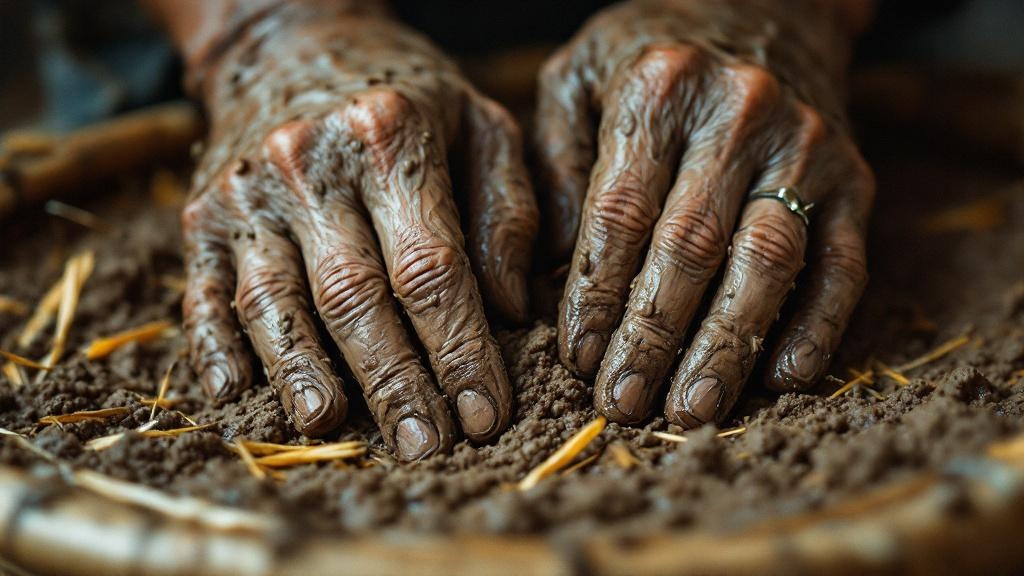
Smart designers now work with what’s already there. Mud, bamboo, recycled debris. These aren’t compromises. They’re strategic choices. Local materials mean local skills stay relevant. Communities can repair their own buildings. Nobody waits for foreign experts.
Furthermore, this approach costs less. It ships nothing across oceans. It employs local workers immediately. The economic benefits stay in affected regions. That’s basic but powerful logic.
Teaching Through Building
The best projects double as training programs. Residents learn construction techniques. They gain marketable skills. When the crisis ends, they’re not just housed. They’re employable. This transforms relief into genuine development.
Some programs have trained thousands of people. These new builders then help neighbors. Knowledge spreads organically. One shelter becomes ten. Ten become a hundred. It’s exponential impact.
Why Traditional Aid Architecture Often Fails
Let’s be honest here. Many well-funded projects flop embarrassingly. Designers fly in with fancy ideas. They win awards. Then buildings sit empty. Communities reject them. What went wrong?
Usually, nobody asked residents what they actually needed. Architects assumed they knew best. This arrogance wastes millions of dollars yearly. It’s a pattern KREAblog has noticed across design fields.
The Participation Problem
Real participation takes time. Donors hate waiting. They want quick results for annual reports. So shortcuts happen. Focus groups become token gestures. Decisions get made in distant offices.
But rushed projects collapse faster. Literally and figuratively. Buildings deteriorate without community ownership. Nobody maintains what they didn’t help create. This should be obvious. Yet it keeps happening.
Climate Reality Hits Hard
Here’s another uncomfortable truth. Climate change creates more disasters yearly. Displacement numbers keep rising. Traditional approaches can’t scale fast enough. We need systems that communities can replicate themselves.
Therefore, sharing knowledge matters more than shipping materials. Teaching techniques beats delivering products. This requires a complete mindset shift. Many organizations still resist it.
The Future Belongs to Shared Wisdom
Some pioneers now openly share all their designs. No patents. No licensing fees. Anyone can copy them. This seems counterintuitive for professionals. How do you build careers giving everything away?
Actually, it makes perfect sense. Humanitarian crises don’t respect intellectual property. When earthquakes hit, nobody should wait for licensing approvals. Open-source architecture acknowledges this reality.
Digital Tools Spread Solutions
Online platforms now share construction guides globally. Videos show techniques in multiple languages. Farmers in one country learn from builders elsewhere. Technology finally serves its intended purpose here.
Still, digital access remains uneven. Rural areas lack connectivity. So the best programs combine online resources with physical training. They meet people where they are. Not where they wish they were.
Women Lead the Way
Interestingly, women often drive these grassroots building movements. They’re typically responsible for households. They understand shelter needs intimately. When trained as builders, they transform communities.
Also, women-built homes often get maintained better. Families invest more care in them. Studies show this repeatedly. Yet women remain underrepresented in formal architecture. The field loses valuable perspectives.
What Designers Everywhere Can Learn
You don’t need disasters to apply these principles. Even commercial architects can think differently. What if every project transferred skills? What if buildings taught something?
The crisis context forces radical efficiency. Every material choice matters. Every process gets questioned. That discipline benefits all design work. Constraints spark creativity consistently.
So perhaps humanitarian projects aren’t peripheral. Maybe they’re actually the cutting edge. They solve problems commercial architecture ignores. They prioritize impact over aesthetics. They measure success by changed lives.
That’s worth paying attention to. Even if you never design a refugee shelter. The questions these architects ask should challenge everyone. Who benefits from your work? Who participates in decisions? What remains when you leave?
Good design always considers these questions. Great design demands honest answers.
This article is for informational purposes only.