

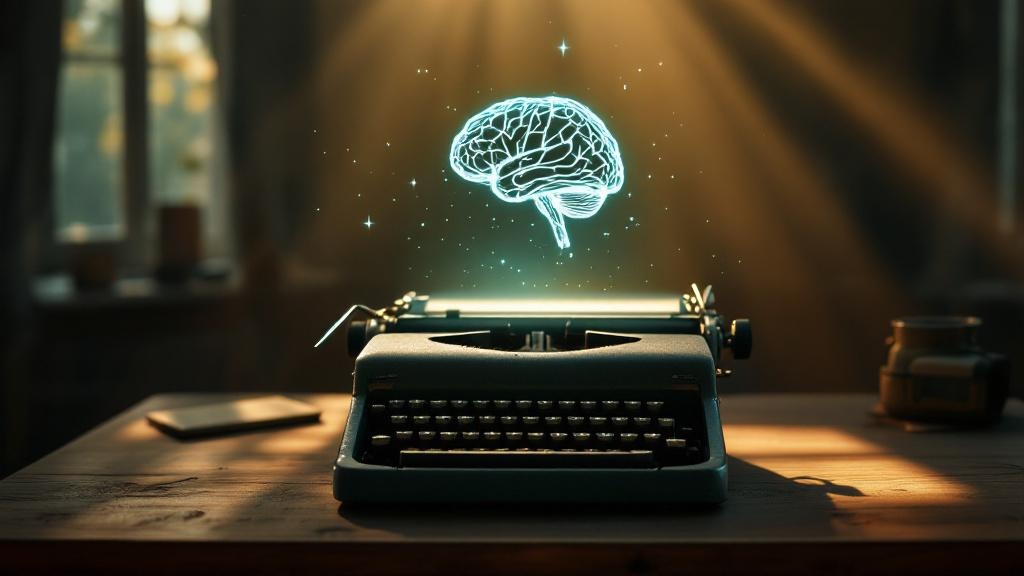
AI Writing Detection Has Become Publishing’s Biggest Headache
AI writing tools have created a strange new problem. Publishers now struggle to tell human work from machine output. This challenge grows bigger every month. The technology keeps getting better at mimicking human voices. Meanwhile, detection tools lag far behind. It’s a mess, frankly.
The publishing world runs on trust. Authors submit work. Editors believe it’s original. But that old system is breaking down fast. Now, suspicion can destroy careers in days. Online communities play detective with every new release. A single Reddit thread can end someone’s dream.
Why Detection Tools Often Fail
Here’s a truth nobody wants to hear. Current AI detection software is deeply flawed. Studies show false positive rates as high as 20%. That means one in five human writers gets flagged wrongly. These tools measure patterns and word choices. However, they can’t actually prove anything. They make educated guesses at best.
The problem gets worse with edited text. When humans revise AI content, patterns blur. When AI assists human writers, lines blur further. So where exactly does “AI-generated” begin? Nobody agrees on the answer.
The Court of Public Opinion
Social media moves faster than any investigation. Accusations spread in hours. Evidence gets debated by thousands. Meanwhile, the accused has no real way to prove innocence. You can’t prove a negative easily. How do you show you didn’t use a tool? It’s nearly impossible.
This creates a chilling effect. Writers now worry about sounding “too smooth.” Some deliberately add quirks to seem more human. That’s absurd when you think about it. We’re training humans to write worse. All because machines got too good at sounding normal.
The Real Problem Nobody Talks About: AI Writing Policies
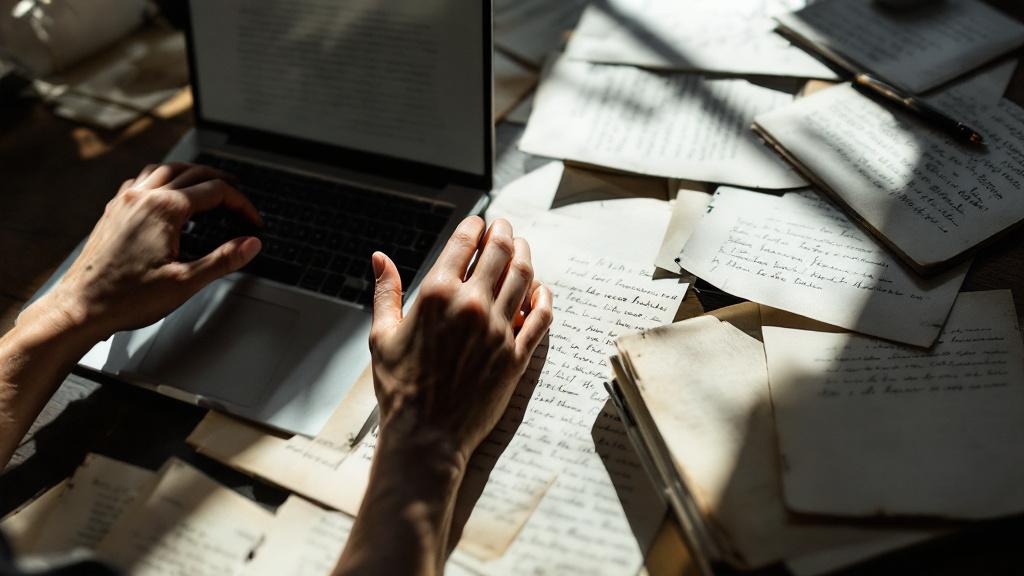
Publishers face an awkward truth. They never clearly defined rules about AI assistance. Grammar checkers have existed for decades. Spell check is everywhere. Editing software suggests better phrasing. Where does assistance become authorship? The industry avoided this question for too long.
Now everyone scrambles to create policies after the fact. But retroactive rules feel unfair to many writers. Someone might have used AI tools innocently. They followed no existing guidelines. Then suddenly their work becomes suspect. That’s a broken system.
A Spectrum of AI Assistance
Consider this spectrum carefully. On one end, someone types every word themselves. On the other end, someone just prompts an AI. But between those extremes? A vast gray zone exists. Writers use AI for brainstorming. Others get help with outlines. Some run drafts through AI for feedback. For more on how AI tools affect creative work, the debate rages on.
Each step seems harmless alone. Together, they might cross a line. But which line? Nobody drew one clearly. The industry needs honest conversations about this. They need them urgently.
What This Means for Creative Industries Beyond Books
Publishing isn’t alone in this struggle. Journalism faces identical questions. Academic writing has the same problems. Even visual artists deal with AI detection issues. The tools exist everywhere now. So do the accusations.
Film scripts, advertising copy, and music lyrics all face scrutiny. Any creative field could see similar controversies soon. The technology doesn’t care about industry boundaries. It disrupts everything equally.
Building Better Systems Together
Here’s a contrarian thought. Maybe perfect detection isn’t the goal. Perhaps we need better disclosure systems instead. Writers could declare their tools upfront. Readers could decide what they accept. Transparency might matter more than policing.
Some argue AI assistance should be fine if disclosed. Others want pure human creation only. Both positions have merit. But we need to choose a direction. The current chaos helps nobody. For insights on how technology shapes creative industries, this conversation matters deeply.
The Human Cost of Uncertainty
Real people suffer while we figure this out. Writers face career destruction from accusations. Mental health struggles follow public shaming. Even cleared individuals carry lasting stigma. We should remember the human stakes here.
The publishing world must move faster on clear guidelines. Waiting only creates more victims. Both writers and readers deserve better answers. The current limbo serves nobody well. It’s time for real solutions.
This article is for informational purposes only.