
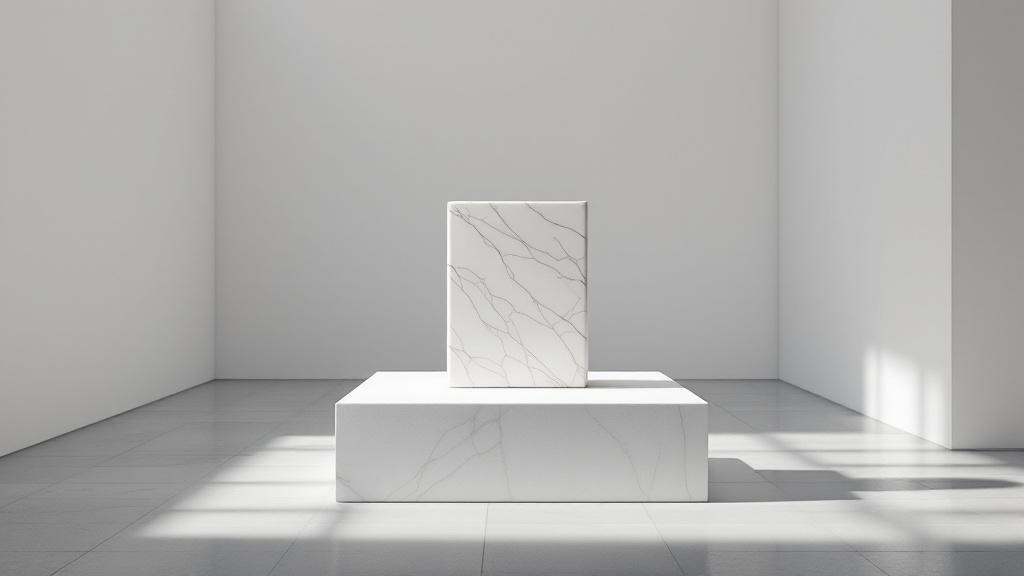
Stone design art is quietly reshaping how we think about everyday objects. What if your morning cereal box was carved from marble? This isn’t a weird dream. It’s a growing design movement. Artists and designers are creating stone replicas of mundane items. The results are strange, beautiful, and thought-provoking.
Why Stone Design Challenges Our Shopping Habits
We live in a throwaway culture. Products come wrapped in plastic. They’re designed to be forgotten. But what happens when those items become permanent? Stone forces us to pause and reconsider.
A banana carved from onyx can’t be eaten. A stone milk carton won’t expire. These objects exist outside normal time. They challenge the idea that everything must be consumed quickly. That’s a powerful statement in our fast-paced world.
The Psychology Behind Material Swaps
Our brains assign value based on materials. We see plastic as cheap and disposable. However, we view stone as precious and eternal. By swapping materials, designers trick our perception. Suddenly, a simple grocery item feels like museum treasure.
This mental shift is fascinating. It reveals how much packaging shapes our buying choices. We rarely question why products look the way they do. Stone replicas make the familiar feel alien again.
Consumerism Gets a Reality Check
There’s something deeply ironic about immortalizing a cereal box. These designs mock our obsession with brands. They also celebrate the beauty hiding in plain sight. A soup can becomes sculptural. A detergent bottle transforms into art.
For example, consider how much visual noise fills grocery stores. We’ve become blind to it. Stone design strips away function and leaves pure form. That’s when things get interesting.
The Craft Behind Stone Design Sculptures
Creating these pieces requires serious skill. Artists work with marble, granite, onyx, and other natural stones. Each material has unique challenges. Some crack easily. Others resist carving tools. The process demands patience and precision.
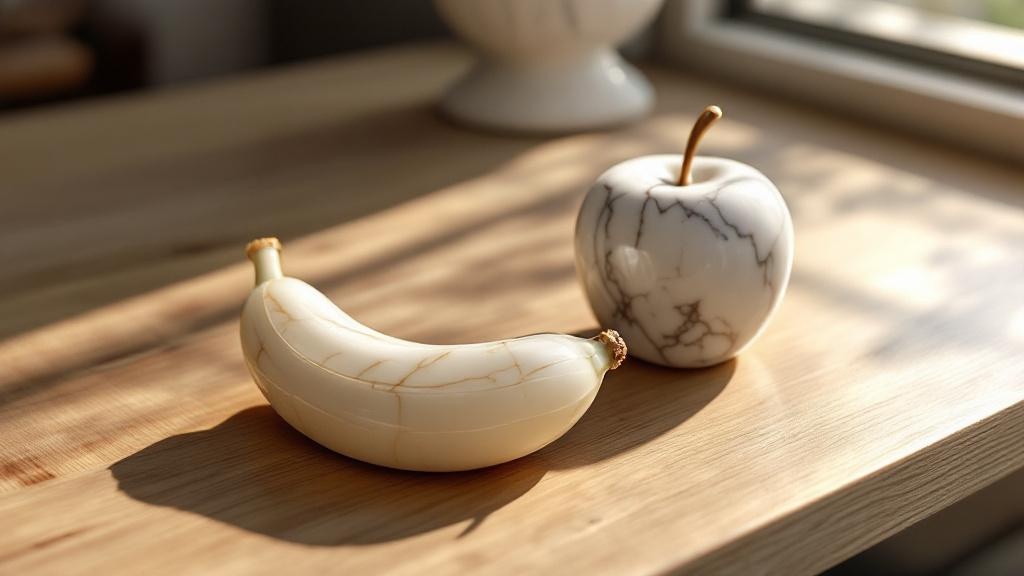
Modern technology helps, but only so much. CNC machines can rough out basic shapes. Still, hand finishing remains essential. Artists spend weeks perfecting tiny details. A stone lettuce leaf must look delicate yet permanent.
Why Natural Stone Beats Synthetic Materials
Some artists experiment with concrete or resin. Yet natural stone carries deeper meaning. It’s millions of years old. It comes from the earth itself. That history adds weight to any artwork.
Furthermore, each stone piece is unique. Veins and patterns vary naturally. No two marble apples will look identical. This contrasts sharply with mass production. Factory goods aim for sameness. Stone celebrates difference.
The Environmental Angle
Stone quarrying has its own environmental costs. That’s worth acknowledging honestly. However, stone objects last forever. They won’t end up in landfills next year. The durability argument is compelling.
Meanwhile, the commentary itself matters. These artworks spark conversations about waste. They make people think about consumption patterns. Sometimes art’s real impact is changing minds, not just decorating spaces.
Where This Movement Could Go Next
Design trends often start in galleries. Then they spread to commercial spaces. Stone replicas are already appearing in retail displays. They add unexpected elegance to store windows. This trend will likely grow.
As a result, we might see stone elements in everyday interiors. Imagine a reception desk featuring stone product sculptures. Or a restaurant with carved food displays. The possibilities are surprisingly broad.
Blending Stone With Digital Experiences
Some designers are exploring augmented reality pairings. You could scan a stone object with your phone. It might reveal the original product’s story. Or show environmental data about packaging waste. Technology adds new layers of meaning.
At KREAblog, we’ve watched similar material experiments gain traction. The design world loves unexpected combinations. Stone and digital might seem opposite. But contrasts create powerful experiences.
The Future of Material Storytelling
Every material tells a story. Plastic whispers about convenience and cost-cutting. Stone speaks of permanence and craftsmanship. Designers increasingly understand this language. They’re choosing materials for emotional impact, not just function.
So what’s next after stone? Perhaps wood replicas of electronic devices. Or glass versions of cardboard packaging. The core idea remains consistent. Make people see ordinary things with fresh eyes. That’s what great design always does.
The stone design movement won’t replace regular products. That’s not the point. Instead, it asks us to question what we value. Why do some objects deserve preservation? What makes something beautiful? These questions matter more than any single sculpture.
Design has always been about making choices visible. Stone replicas of everyday objects do this brilliantly. They freeze moments of consumer culture in geological time. That’s a statement worth making.
This article is for informational purposes only.