
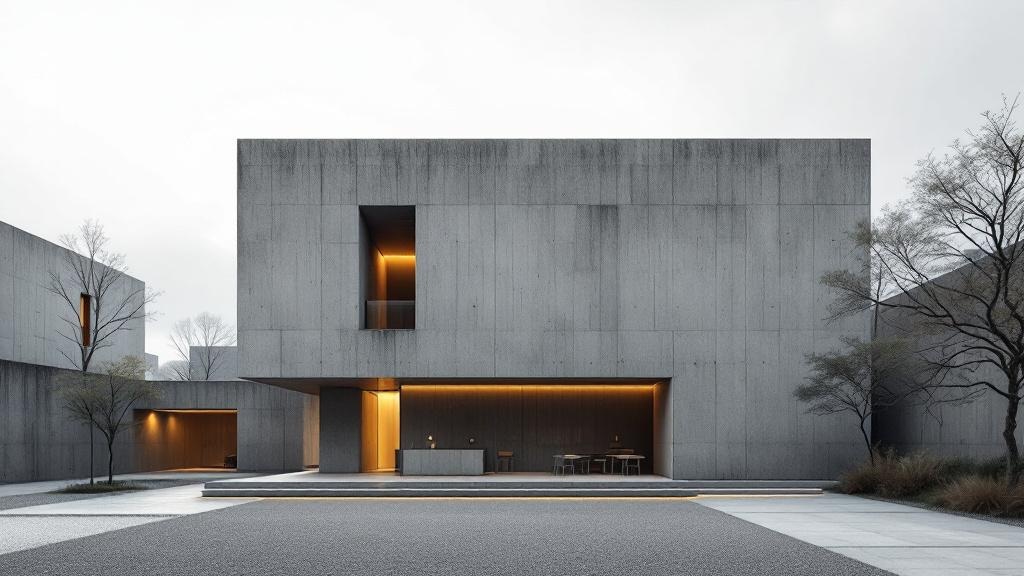
Fortress architecture is taking over the café scene. And honestly? It makes perfect sense. Designers worldwide are building coffee shops that look like ancient castles. These bold structures grab attention in ways glass boxes never could. The trend speaks to our deep need for shelter and safety. But it also challenges everything we thought modern cafés should be.
Why Fortress Architecture Speaks to Modern Café Culture
We live in chaotic times. Social media never stops. Work emails follow us home. So people crave spaces that feel solid. They want walls that seem unbreakable. Fortress-style cafés offer exactly that promise.
The Psychology Behind Heavy Walls
Thick stone walls do something special to our brains. They trigger ancient feelings of protection. Our ancestors survived because they found shelter. Those instincts still live inside us today. When you enter a monolithic café, your nervous system relaxes. You feel safe. This matters more than most designers admit. A café that feels like a refuge keeps customers longer. They order more drinks. They come back often. The heavy aesthetic serves both emotion and business.
Breaking Away from Glass and Steel
For decades, modern architecture worshipped transparency. Glass walls were everywhere. Steel frames became standard. But this created cold, exposed spaces. People started feeling like fish in bowls. Everyone could see them. Fortress design flips this script entirely. It creates mystery. It offers privacy. The contrast with typical modern buildings makes these spaces memorable. When everything looks the same, different wins.
At KREAblog, we track these design shifts closely. The move toward fortress aesthetics reflects deeper cultural changes.
Key Elements of Fortress Architecture in Café Design
Building a fortress-style café requires specific choices. Not every heavy building qualifies. True fortress design follows certain rules. These elements separate authentic fortress architecture from cheap copies.
Material Choices That Matter
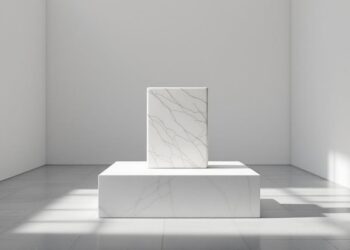
Raw concrete dominates this style. But not smooth, polished concrete. Designers prefer rough textures with visible marks. Natural stone adds authenticity. Brick works when left exposed and imperfect. The key is weight. Materials must look heavy. They should feel permanent. Thin veneers fool nobody. Customers sense when walls are real. Wood appears sparingly, often darkened. Metal stays minimal and aged. Every material choice reinforces the fortress feeling.
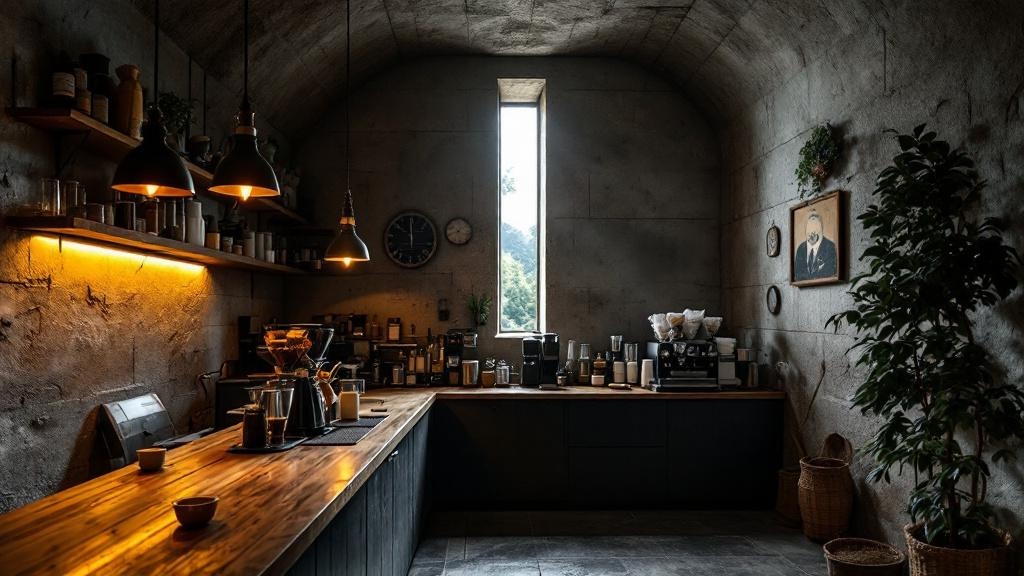
Light as Drama
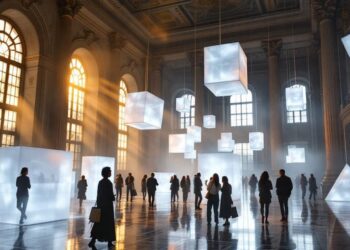
Fortress cafés control light carefully. Small windows create dramatic shadows. Light becomes precious. It falls in specific spots. This contrast between dark and bright creates atmosphere. Many designers use narrow slits instead of windows. Light enters like a visitor. It never overwhelms the space. Interior lighting stays warm and low. Harsh fluorescents would ruin everything. The goal is cave-like comfort with strategic brightness.
This approach to lighting connects to broader design trends we explore regularly.
The Cultural Roots Behind This Movement
Fortress architecture in cafés did not appear randomly. Several cultural forces pushed designers toward ancient forms. Understanding these forces helps predict where design goes next.
First, digital exhaustion plays a role. We spend hours in virtual spaces. Physical solidity becomes more valuable. People want to touch real walls. They crave textures screens cannot provide.
Second, climate anxiety shapes design thinking. Buildings that look permanent offer psychological comfort. They suggest survival. They promise lasting through storms. Even if symbolically, fortress walls calm worried minds.
Third, historical nostalgia runs strong right now. Medieval aesthetics appear everywhere. Video games feature castles constantly. Fantasy shows dominate streaming platforms. Fortress cafés tap into this existing fascination.
However, critics raise valid concerns. Some fortress cafés feel unwelcoming. They intimidate rather than invite. The balance between dramatic and approachable stays tricky. Good designers solve this through warmth inside. They save the fortress feeling for exteriors. Interiors offer comfort and softness. This contrast works beautifully when done well.
The trend also connects to broader movements in creative technology and brand design.
Where Fortress Architecture Goes From Here
This trend will grow before it fades. Expect more fortress-style retail spaces. Hotels will adopt the aesthetic soon. Even homes may follow eventually.
But evolution seems certain. Pure fortress design will blend with other styles. Softer versions will emerge. Some designers will add greenery to heavy walls. Others will mix glass sections strategically. The pure monolithic phase may peak within two years.
Meanwhile, technology integration presents challenges. Fortress aesthetics clash with digital screens. Designers must hide tech cleverly. Speakers disappear into stone. Outlets hide in shadows. This invisible technology approach fits the ancient feeling.
Regional variations already appear. Asian fortress cafés favor different materials than European versions. Local stone types create unique expressions. Climate influences window placement. Each region develops its own fortress vocabulary.
The best fortress cafés balance drama with function. They photograph beautifully for social media. Yet they work for daily coffee rituals. They feel special but not precious. They welcome regulars while impressing newcomers. Achieving this balance separates great design from mere Instagram bait.
Fortress architecture reminds us that buildings shape feelings. Our environments affect our moods deeply. A café that feels like a castle changes how coffee tastes. That magic makes this trend worth watching.
This article is for informational purposes only.