
Material innovation sits at the heart of modern bathroom design trends. It’s changing everything. What once felt like a purely functional space now invites creativity. Bathrooms are becoming galleries of texture, form, and clever engineering. But here’s what most people miss. The real revolution isn’t about looks alone. It’s about how new materials solve old problems. That shift matters more than any trend.
Material Innovation Drives a New Design Philosophy
For decades, bathrooms stayed boring. Tiles, porcelain, chrome. Repeat. Designers rarely pushed boundaries here. Why? Because wet spaces demand durability. However, new materials have flipped that script entirely. Today’s designers can dream bigger without sacrificing function.
Think about it. Ceramic composites now mimic natural stone perfectly. Yet they weigh far less. They’re easier to install too. Meanwhile, bio-based resins offer stunning translucency. They resist moisture better than traditional plastics ever could. These aren’t minor upgrades. They’re fundamental shifts in what’s possible.
Why Thin Is Now In
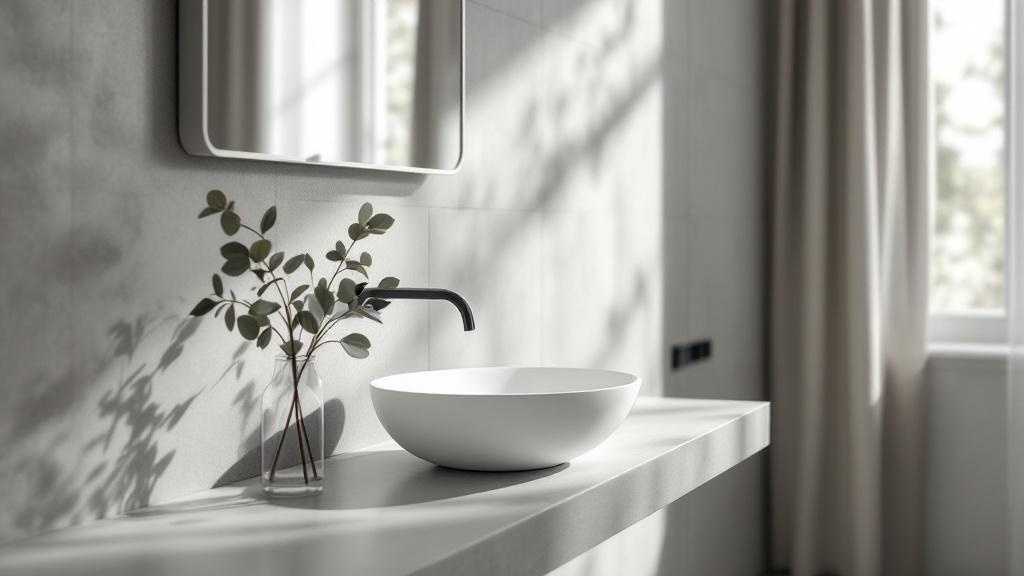
Ultra-thin materials have become design favorites. Sinks and basins can now measure just millimeters thick. That wasn’t possible ten years ago. The result? Spaces feel lighter and more refined. Also, thin materials use fewer raw resources. So sustainability benefits follow naturally. Still, some critics worry about fragility. In reality, advanced ceramics handle daily use surprisingly well.
Texture Over Color
Color trends come and go quickly. Texture endures. Smart designers know this intuitively. So material innovation increasingly focuses on tactile surfaces. Matte finishes dominate current projects. Rough, organic textures add warmth too. Even glossy materials get subtle surface patterns now. Your fingertips notice before your eyes do.

Sustainability Shapes Material Innovation Choices
Here’s a contrarian take. Sustainability often sounds like marketing fluff. But in bathroom materials, it’s genuinely driving breakthroughs. Manufacturers face real pressure now. Water use, energy consumption, and recyclability all matter. As a result, innovation serves environmental goals directly.
For example, recycled content appears in premium products today. Crushed glass becomes elegant countertops. Industrial waste transforms into striking tiles. These aren’t cheap alternatives. They’re premium choices with better stories. Consumers increasingly want that narrative too. KREAblog has covered similar shifts in other design sectors.
Water-Saving Surfaces
Some new materials actively reduce water waste. Hydrophobic coatings make cleaning easier with less water. Self-cleaning surfaces exist now too. Bacteria struggle to grow on certain nano-treated finishes. Therefore, harsh chemicals become unnecessary. The bathroom essentially maintains itself better. That’s practical innovation at its finest.
The Future Belongs to Hybrid Materials
Pure materials have limits. Wood rots. Metal corrodes. Stone stains. So designers increasingly choose hybrids. These combinations take the best from multiple sources. They leave the weaknesses behind.
Consider wood-polymer composites. They look warm and natural. But moisture doesn’t destroy them. Or take mineral-cast materials. They feel like stone. Yet they’re lighter and more versatile. Such hybrids answer real problems elegantly. They don’t just look good. They perform.
Smart Materials Arrive
The next frontier? Responsive materials. Surfaces that change with temperature exist already. Color-shifting tiles signal water temperature visually. Anti-microbial materials activate only when needed. Even self-healing surfaces are in development now. Sound futuristic? These products already appear in luxury projects.
Customization Gets Easier
Material innovation also enables personalization. Digital printing works on ceramics now. Any pattern becomes possible. Short production runs make economic sense finally. So bathrooms can reflect individual taste better. Mass customization replaces mass production gradually. That’s a welcome change for design lovers.
Why This Matters Beyond Bathrooms
Bathroom design might seem niche. But it reveals broader material science progress. What works in wet, demanding environments often spreads elsewhere. Kitchens benefit next. Then furniture follows. Even architecture learns from bathroom innovations eventually.
Also, bathrooms show cultural values clearly. Our private spaces reflect what we truly want. Comfort? Sustainability? Beauty? All of these, probably. Material innovation simply makes balancing them easier now.
The bathroom’s transformation isn’t finished yet. New materials will keep emerging. Problems we haven’t imagined will find solutions. But one thing seems certain already. The days of boring bathrooms are ending. Finally.
This article is for informational purposes only.