

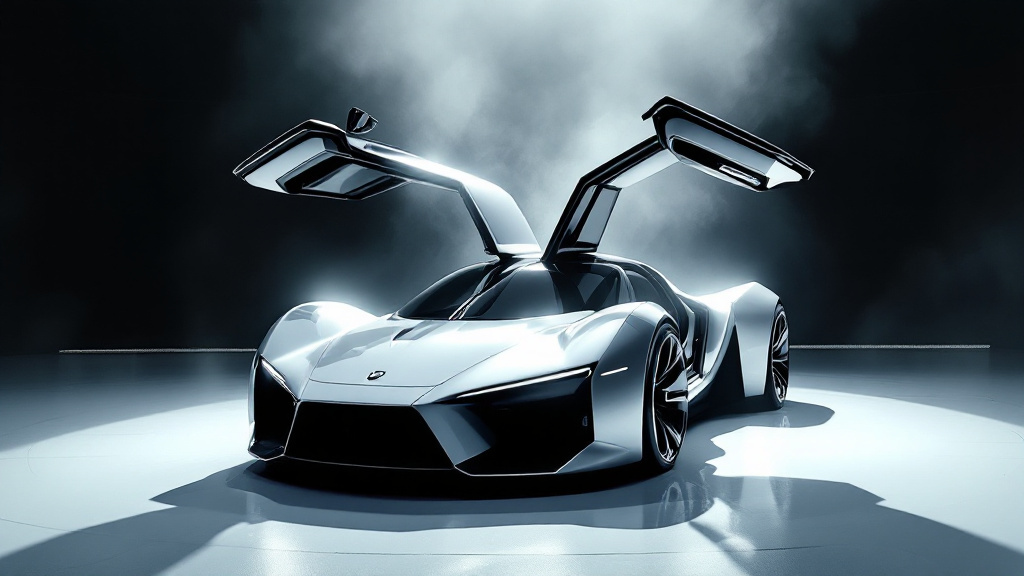
Concept car design isn’t about building vehicles. It’s about building anticipation. Every door swing, every seat angle, every dramatic reveal starts on paper. Then it becomes theater. These rolling sculptures exist to make us feel something new.
Why Concept Car Design Puts Entry First
Here’s what most people miss about show cars. The first touch point matters most. Designers obsess over how you approach the vehicle. They study how your body moves toward it. That’s not accident. That’s choreography.
Think about it differently. A car door isn’t just functional hardware. It’s a stage curtain. When it opens, the performance begins. Designers at KREAblog know this truth well.
The Psychology of Approach
Your walk toward a vehicle tells a story. Designers control that story carefully. They angle body panels to draw your eye upward. They position handles at exact heights for natural reach. The goal? Make approaching feel inevitable. Even magnetic.
Some studios use motion capture technology now. They record thousands of approaches. Then they refine every curve based on real human movement. It’s fascinating stuff.
Doors as Dramatic Devices
Scissor doors exist for drama. So do butterfly doors. And gullwing doors. These aren’t practical choices. They’re emotional triggers. Each style creates different body postures upon entry.
However, the best designers know restraint too. Sometimes a simple door does more. The surprise comes from what’s inside instead.

The Hidden Science Behind Concept Car Interiors
Stepping inside changes everything. Suddenly you’re the subject, not observer. Interior designers face a unique challenge here. They must control your body while making you feel free.
Seat positioning sets the entire experience. Sit too high, you feel disconnected. Sit too low, you feel trapped. The sweet spot exists in millimeters. Finding it takes years of testing.
Materials That Move You
Touch triggers memory faster than sight does. That’s neuroscience, not opinion. So interior surfaces carry emotional weight beyond aesthetics. Cold metal suggests precision. Warm leather suggests comfort.
But here’s the contrarian take. Many concept cars overdo luxury materials. They pile on excess. The truly memorable interiors use fewer textures. They let each surface breathe. Less really is more here.
Light as a Guide
Ambient lighting isn’t decoration. It’s wayfinding. Strips of light guide your hand toward controls. Pools of illumination draw attention to specific zones. Your body follows light instinctively.
Therefore, lighting designers work closely with ergonomic teams now. They map out every gesture you’ll make inside. Then they light accordingly. It’s remarkably thoughtful work.
What Show Cars Teach Us About Real Design
Most concept cars never reach production. That’s the point. They exist to test ideas freely. No safety regulations. No cost constraints. Pure exploration.
Still, these experiments matter deeply. Features debut here first. Then they filter into everyday vehicles years later. Touch screens appeared in concepts decades before dashboards. Voice control too. Even cameras replacing mirrors.
Production teams watch these reveals carefully. They note which features generate excitement. Then they adapt those ideas for reality. The concept becomes the blueprint.
The Future of Entry Experiences
Autonomous vehicles change everything about entry design. When steering wheels disappear, cabins transform completely. Seats can face each other. Doors can grow larger. Movement inside becomes free.
Some designers imagine vehicles you don’t enter at all. The cabin comes to you instead. Modular pods that dock with your living room. It sounds wild. But concepts from five years ago seemed wild too.
Meanwhile, accessibility becomes central to new thinking. Traditional car entry excludes many people. Future concepts address this directly. Lowering floors. Wider openings. Automated assistance. Good design includes everyone.
Why This Matters Beyond Cars
These principles extend far beyond automotive design. Every physical product creates entry moments. Unboxing a phone. Opening a laptop. Walking into a store. The first physical contact shapes everything after.
Product designers across industries study automotive reveals now. They’ve learned that entry isn’t just beginning. It’s the whole emotional foundation. Get entry wrong, nothing else saves you.
So watch the next auto show differently. Notice how bodies move around vehicles. Watch how designers position their creations. See the choreography hidden in plain sight. That’s where real innovation happens.
The future of design lives in these moments. Not in specifications or features. In how objects make us move. In how they make us feel. That’s the lasting lesson from concept studios worldwide.
This article is for informational purposes only.