

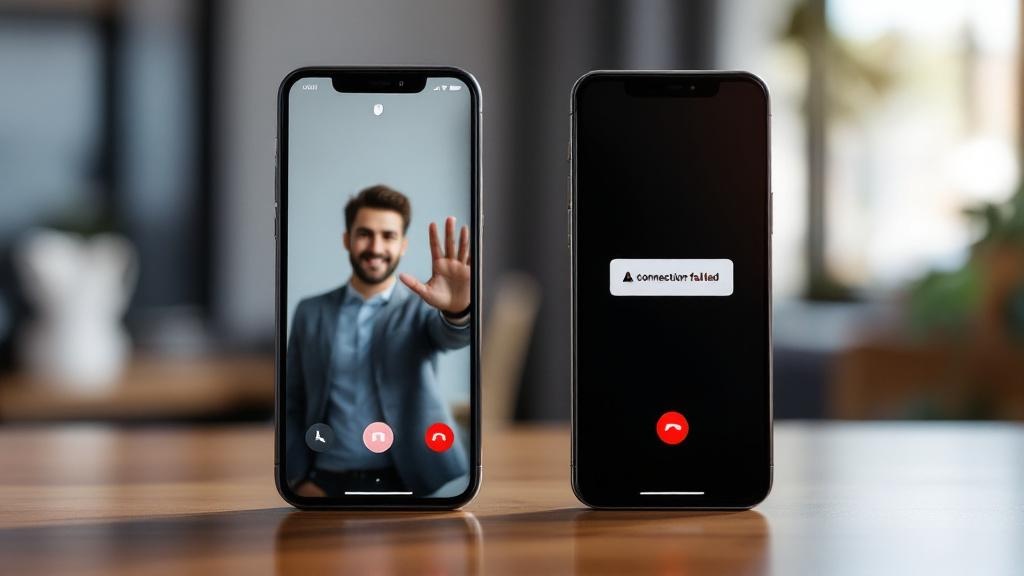
Cross-platform calls between iPhone and Android feel like a tech unicorn. We’ve been promised this for years. Yet somehow, we still fumble when grandma has an iPhone and you’re on Android. The simple act of video chatting shouldn’t require a PhD in app selection. But here we are, stuck in a fragmented world of competing standards.
Why Cross-Platform Calls Still Feel Impossible
Here’s the honest truth. Tech giants don’t really want you calling across platforms easily. Each company benefits from keeping you locked in their world. Apple loves when your whole family uses FaceTime. Google wants you on Duo or Meet. This isn’t a technical problem anymore. It’s a business model problem.
The Standards Nobody Agrees On
RCS messaging has been around for years. It was supposed to fix texting between different phones. However, video calling standards remain a mess. Every company builds their own protocol. They don’t share nicely. As a result, your phone has multiple apps doing the same thing. This fragmentation hurts users most. We pay the price for corporate competition. Meanwhile, regular phone calls still work everywhere. Strange, right?
What Europe Taught Us About Interoperability
European regulators forced messaging apps to talk to each other. This was huge news. For example, WhatsApp might need to work with other apps soon. But video calling wasn’t included in those rules. So we’re back to square one for visual communication. Regulation might be our only hope. Companies won’t do this voluntarily. The KREAblog team has covered similar regulatory battles before. Money talks louder than user convenience.

The Hidden Costs of Cross-Platform Calls Fragmentation
Think about your phone right now. How many video calling apps do you have installed? Most people have at least three or four. That’s wasted storage space. That’s battery drain. That’s mental energy spent remembering which app reaches which person. We’ve normalized this chaos. But it doesn’t have to be this way.
Privacy Complications Nobody Mentions
Each video app handles your data differently. Some encrypt everything. Others collect your conversations for advertising. When you juggle multiple apps, you multiply your privacy risks. Therefore, unified calling would actually make us safer. One secure standard beats five questionable ones. Security experts have been saying this for years. Nobody listens because there’s no profit in simplicity.
The Bandwidth Battle Behind The Scenes
Video calls eat data. Different apps compress video in different ways. In contrast, a universal standard could be more efficient. Phone carriers would love this. Users would see better quality and lower bills. Yet carriers have zero power here. Apple and Google control the software. The KREAblog analysis shows this pattern across tech. Hardware makers bow to software kings.
What Actually Needs To Happen Next
Let’s be realistic about the path forward. Universal video calling requires three things. First, someone must build a shared technical standard. Second, big companies must agree to adopt it. Third, users must actually care enough to demand change. The first part is easy. Engineers could build this tomorrow. The second part is nearly impossible without pressure. Companies don’t give up advantages willingly.
However, user pressure has worked before. Remember when everyone complained about green bubbles? Apple eventually added some RCS features. Public shame moves mountains. Social media backlash gets executive attention fast.
The future might look different than we expect. Maybe AI assistants will bridge the gap. Your phone could automatically translate between calling protocols. This already happens with messaging in some apps. Video is harder, but not impossible. Smart middleware could make platforms irrelevant.
Some startups are trying exactly this approach. They build apps that connect to multiple services. You call once, it routes automatically. It’s clunky now. But the concept proves the technology exists. We just need willpower.
The KREAblog perspective is simple. This problem is solvable. We solved it for regular phone calls decades ago. We’re choosing not to solve it for video. That choice protects corporate interests over user needs. Until we change the incentives, expect more of the same.
Maybe the next generation won’t accept this fragmentation. Kids today grow up expecting everything to work together. They might force change simply by refusing old boundaries. Hope springs eternal in the tech world. Sometimes progress happens suddenly after years of nothing.
This article is for informational purposes only.