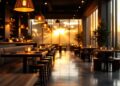


Light design has become the secret ingredient in modern dining spaces. It’s no longer just about seeing your food. Today’s restaurants use light as a storytelling tool. The best spaces make you feel something before you even sit down. That’s powerful stuff.
Think about your last memorable meal out. Chances are, the lighting played a bigger role than you realized. Dim corners create intimacy. Bright accents draw your eye to the bar. Color shifts can change the entire mood of a room. This isn’t accidental. It’s carefully planned creative work.
Why Light Design Matters More Than Ever
We eat with our eyes first. That old saying holds even more truth today. But now, the eyes consume the entire environment. Diners want experiences, not just meals. They want to feel transported. Smart lighting delivers exactly that feeling.
Social media has changed everything. A beautiful dish means nothing in an ugly room. Restaurants now compete on atmosphere as much as flavor. The right light makes everything look better. It flatters skin tones. It makes food colors pop. Bad lighting? It can ruin even the best steak.
Creating Emotional Journeys
The most creative spaces use light to guide your emotions. You arrive to warm, welcoming tones. As the evening progresses, colors might shift subtly. By dessert, you’re in a completely different world. These changes happen slowly. Most guests never consciously notice them.
However, their brains absolutely register the shift. That’s the magic of good design. It works on you without announcing itself. The best restaurant lighting feels inevitable. It seems like the only possible choice. In reality, designers tested dozens of options.
The Tech Behind the Art
Modern LED systems have opened incredible possibilities. Colors can change throughout the evening. Sensors can respond to crowd energy levels. Some spaces even sync lights to music. The technology keeps advancing rapidly.

Yet technology alone creates nothing memorable. The tools need vision behind them. A bad idea with great LEDs still produces bad results. That’s why trained designers matter so much. They understand human psychology and space. They know what makes people comfortable or excited.
The Unexpected Rules of Light Design
Here’s something most people don’t know. The best dining light often comes from multiple sources. One overhead fixture rarely creates magic. Instead, layers of light work together. Wall sconces add warmth. Candles provide flicker. Accent lights highlight architecture.
As a result, the space feels alive. It breathes. Compare this to harsh fluorescent office cafeterias. Same food could be served in both places. One feels special. The other feels like punishment. The difference is entirely about light.
Breaking the Brightness Myth
Many people assume brighter means better. Fast food chains certainly believe this. They want you in and out quickly. Bright light creates that urgency. Fine dining does the opposite.
Darkness actually heightens other senses. When you can’t see perfectly, you taste more deeply. You smell more acutely. Even so, total darkness doesn’t work either. You still need to see your plate! The sweet spot takes real expertise to find.
For example, some restaurants keep food-focused lighting bright. Meanwhile, surrounding areas stay dim. Your attention goes exactly where they want it. This technique feels obvious once you notice it. But few people ever do notice consciously.
Performance, Participation, and Plate Presentation
Some creative spaces take things even further. They treat light as performance art. Guests become part of the show. Their presence affects the visual environment. This blurs lines between eating and entertainment.
Is this pretentious? Sometimes, honestly yes. But when done well, it’s genuinely memorable. You’ll talk about that meal for years. You’ll show friends the photos. That’s exactly what restaurants want. KREAblog has covered many creative technology trends. This one feels particularly exciting.
The Human Element Remains Central
Despite all the technology, something important remains true. Light design must serve humans, not impress engineers. Diners don’t care about technical specs. They care about how they feel. They care whether their date looks attractive.
Therefore, the best designers always start with people. What emotions should guests experience? What stories should the space tell? Technical solutions come later. The human question always comes first. Technology should be invisible.
Finally, consider this: light affects our health too. Blue light at night disrupts sleep patterns. Warm tones help us relax and digest. The best restaurants understand this biology. They’re not just creating pretty rooms. They’re supporting your wellbeing.
The next time you dine out, pay attention. Notice where light comes from. See how it makes you feel. You might discover a whole new layer of appreciation. Great design often hides in plain sight. Or rather, in perfectly calibrated light.
This article is for informational purposes only.