
Radical design is making a quiet comeback. It’s not about shock value anymore. Instead, it’s about building spaces that help people dream together. For years, design felt safe and predictable. Now, something different is stirring. Creators want to build environments that feel alive.
Here’s the thing most people miss. Design isn’t just about looks. It’s about how spaces make us feel and think. The best environments don’t just house activities. They shape them. They push us to imagine new possibilities.
Why Radical Design Matters Now
We’ve been stuck in a loop. Modern spaces often look the same. Clean lines, white walls, minimal furniture. It’s pleasant but boring. Our built world has become predictable. That’s a problem for creativity.
When everything looks similar, thinking becomes similar too. Our surroundings shape our minds. Bland spaces create bland ideas. But bold environments can spark unexpected thoughts. They can challenge our assumptions about what’s possible.
Breaking Free from Sameness
Think about the last space that truly surprised you. It’s hard to remember, right? That’s because surprise is rare. Most buildings follow the same formulas. They’re designed for efficiency, not wonder. However, wonder is what humans need to innovate.
Some designers are pushing back. They’re creating spaces that feel strange and new. These environments don’t just serve functions. They ask questions. They make us pause and reconsider. That’s powerful.
The Role of Shared Experience
Individual creativity matters. But collective imagination is even more powerful. When people dream together, they build bigger things. Spaces can help or hurt this process. Good design brings people into dialogue.
At KREAblog, we’ve explored this idea before. Physical environments shape social dynamics. Open, flexible spaces encourage collaboration. Rigid layouts often prevent it. The choice is intentional.
Elements of Radical Design Environments
So what makes a space truly radical? It’s not just bold colors or weird shapes. Those can feel gimmicky. Real radical design goes deeper. It challenges how we move, gather, and think.
The best radical spaces share common traits. They embrace uncertainty. They allow for change. They respect human emotion. Most importantly, they refuse to play it safe.
Embracing the Unexpected
Predictable spaces feel comfortable. But comfort can be a trap. When we know what to expect, we stop paying attention. Our minds go on autopilot. Radical environments break this pattern.
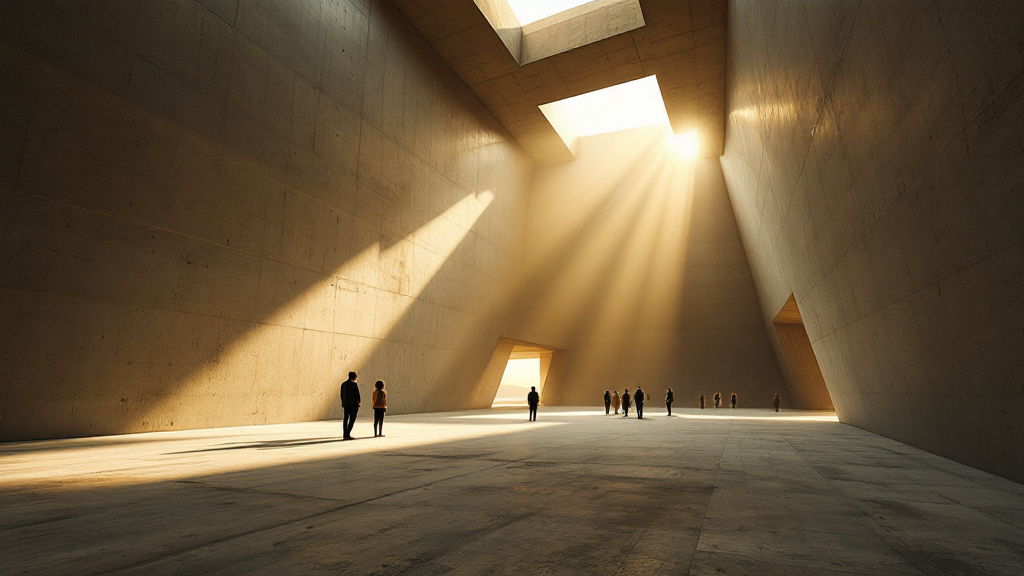
Surprising elements force us to wake up. Maybe a ceiling drops unexpectedly. Perhaps light enters from strange angles. These choices aren’t random. They’re designed to keep minds active. Alert minds create better ideas.
Flexible Forms Over Fixed Functions
Traditional design assigns fixed purposes to spaces. This is the meeting room. That’s the break area. However, radical design questions these boundaries. Why can’t a hallway be a gallery?
Flexible spaces adapt to their users. They change based on need and mood. This flexibility isn’t chaos. It’s freedom with intention. People can shape their environment instead of being shaped by it.
The Human Cost of Safe Design
Let’s be honest about something. Safe design has real consequences. When environments feel generic, people feel generic too. We underestimate how much our spaces affect our wellbeing.
Studies show that boring environments increase stress. They reduce creativity and motivation. People in bland spaces often feel disconnected. They’re physically present but mentally absent. That’s a huge problem for any organization.
Yet most buildings still prioritize cost over experience. They treat human needs as afterthoughts. This is short-sighted thinking. Happy, inspired people create more value. Bold spaces pay for themselves over time.
Moving Toward Collective Imagination
Here’s the hopeful part. Change is happening. More designers now understand the stakes. They’re creating environments that serve human flourishing. These spaces prioritize connection and creativity.
The shift isn’t just aesthetic. It’s philosophical. Designers are asking bigger questions. What do communities need? How can spaces heal rather than harm? What would truly generous design look like?
These questions lead to better answers. Buildings become more than shelters. They become tools for collective dreaming. They help groups imagine futures they couldn’t see alone.
The path forward requires courage. Playing it safe won’t create spaces worth remembering. But bold choices might. They might build environments where imagination thrives. Where strangers become collaborators. Where the impossible starts to seem possible.
That’s the real promise of radical design. Not novelty for its own sake. But spaces that help humanity dream bigger dreams. Together.
This article is for informational purposes only.